Tirailleurs: Trials and Tribulations

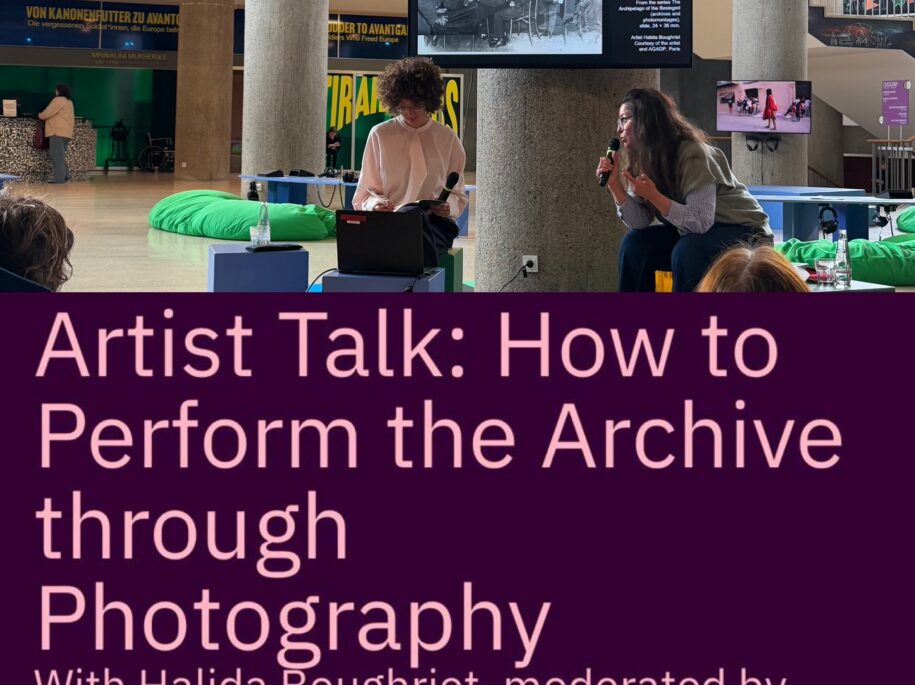
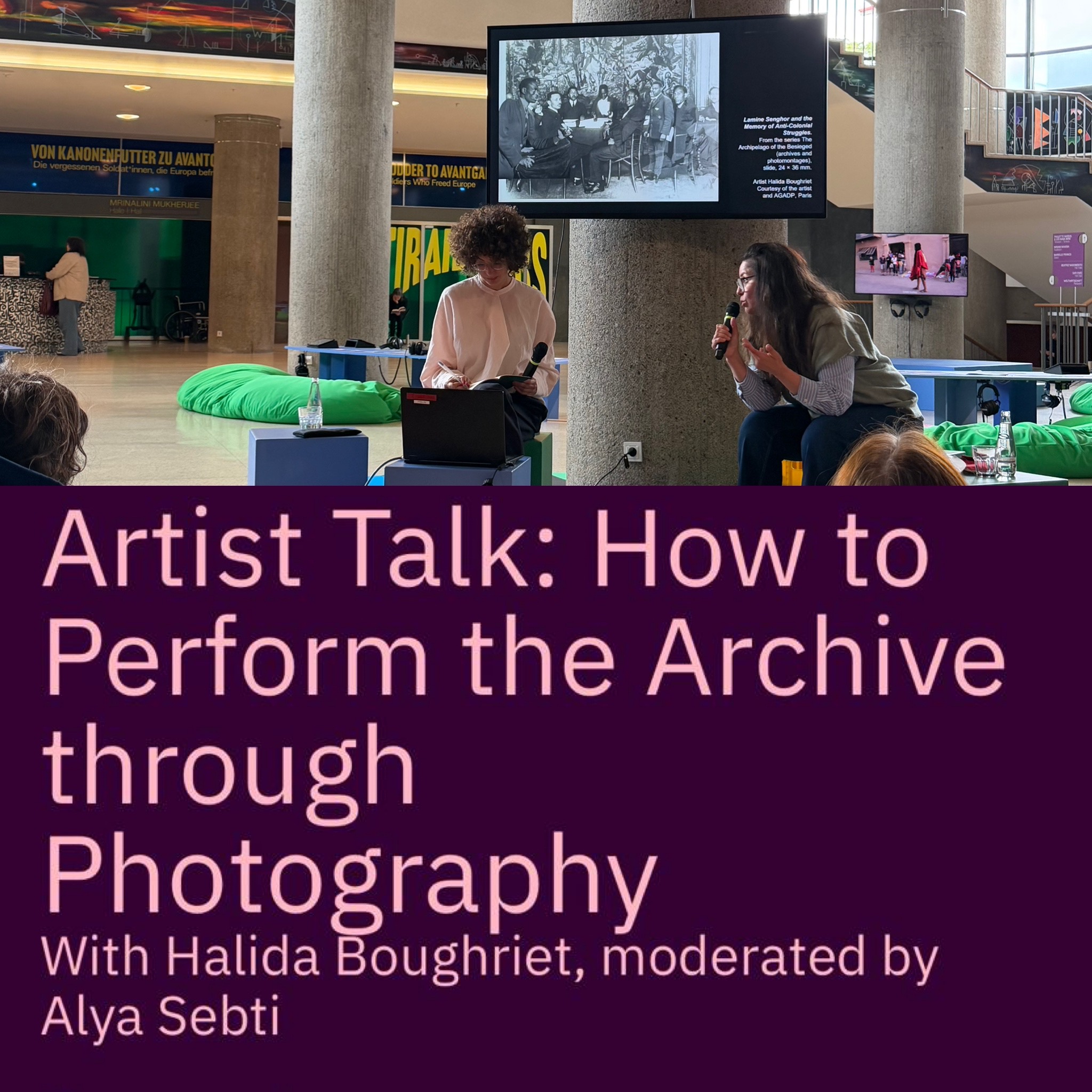
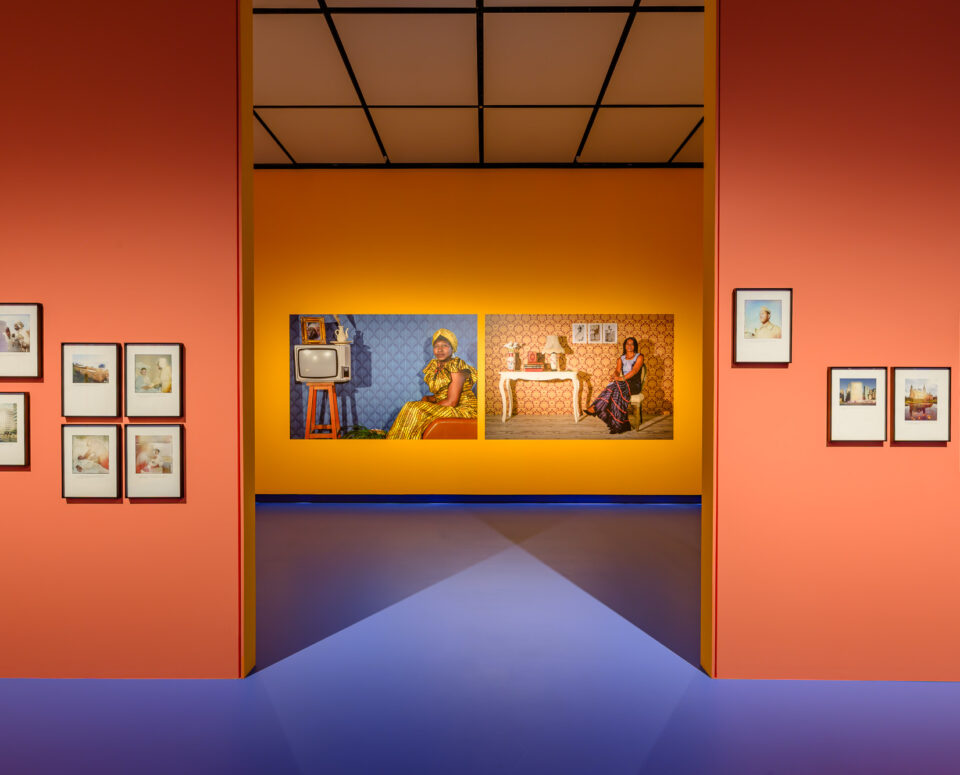
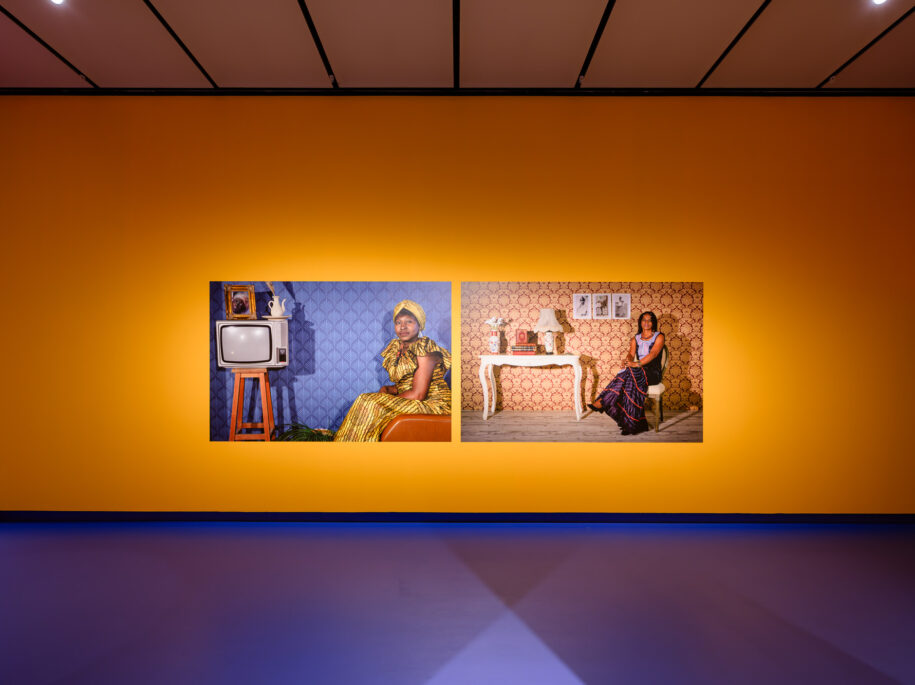
Tirailleurs: Trials and Tribulations @ Haus der Kulturen der Welt (HKW), Berlin: Halida Boughriet

On 15 August 2024, French President Emmanuel Macron invited the world to commemorate the 80th anniversary of the Allied landing in Provence that followed the Normandy invasion and was pivotal to liberating France and Europe from Nazi Germany. The ceremony highlighted an often-overlooked truth: the majority of the 250,000 troops in the so-called B Army were African soldiers who, according to Le Monde, ‘came from the colonies’. These young Tirailleurs played an active role in the liberation of France from Nazi Germany, while many others hailing from Africa, Asia, the Americas, Oceania, and beyond were integral to the reshaping of Europe’s future and its institutions. Yet, their contributions have been systematically marginalized. While commemorative gestures, such as inviting African leaders to anniversary events, attempt to recognize their sacrifice, this history remains politically co-opted, under-researched, and unknown to many people, especially in Germany today.

In 2026, HKW seeks to address this gap with a wide-ranging programme that considers the role of the Tirailleurs in liberating France from Nazi Germany, how their efforts contributed to the liberation of Germany itself, and their impact on securing peace in Europe post-1945. The consideration of Tirailleurs is expanded to reflect upon similar histories from other geographies and temporalities, demonstrating the continuum of the exploitation of ‘human resources’ in different regimes.

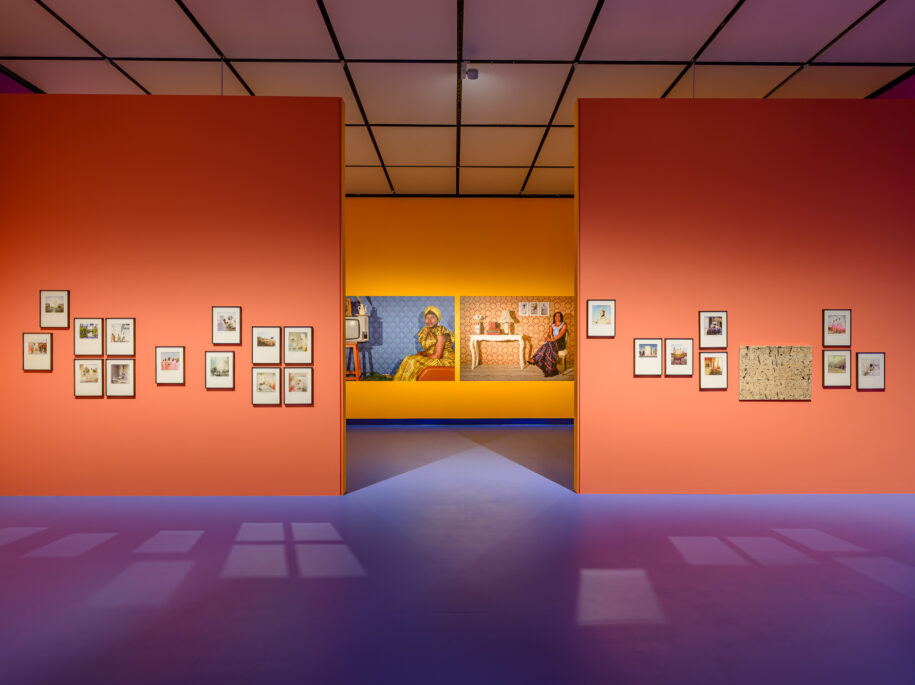
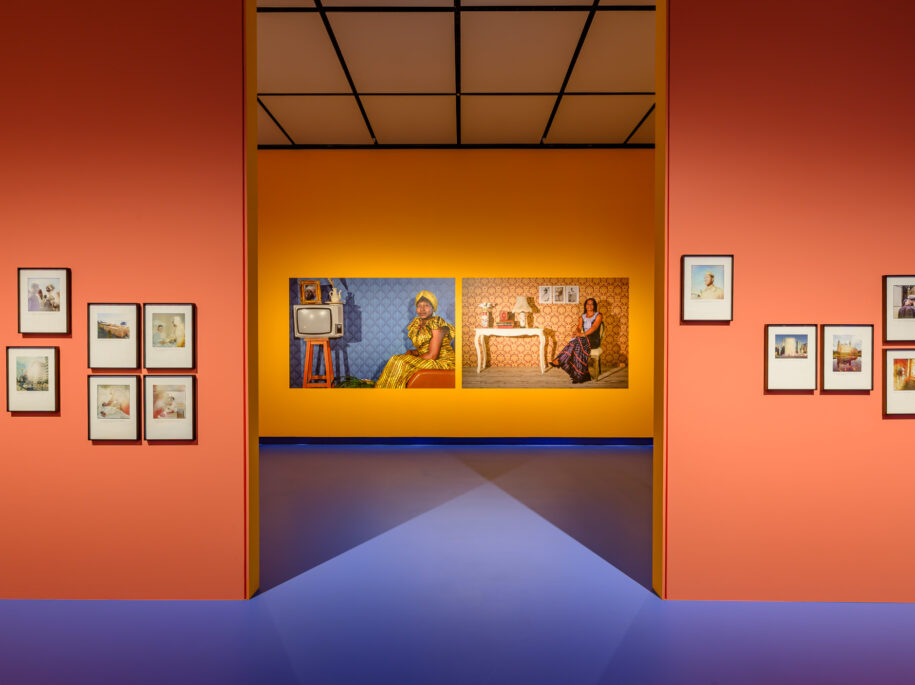
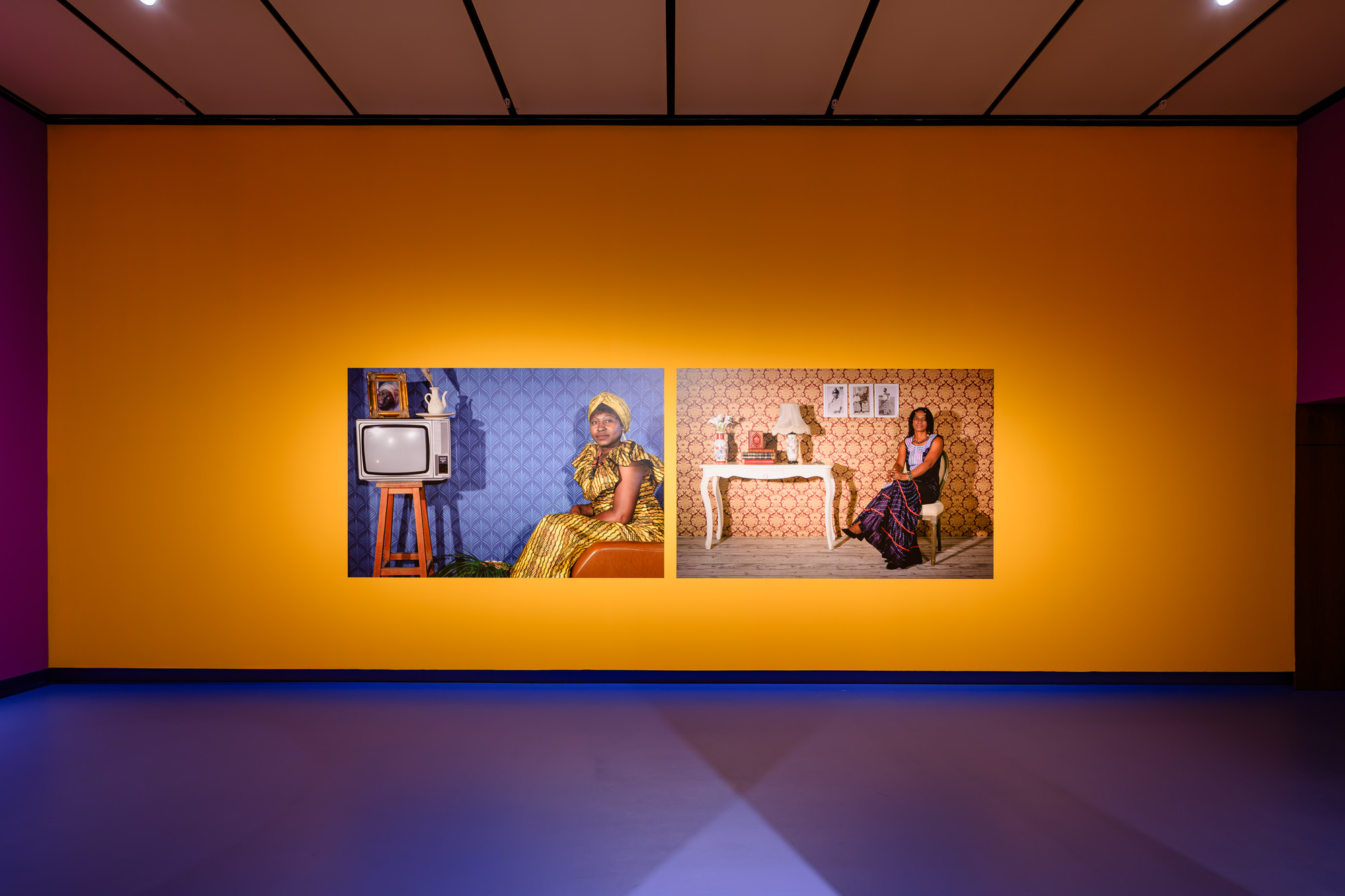
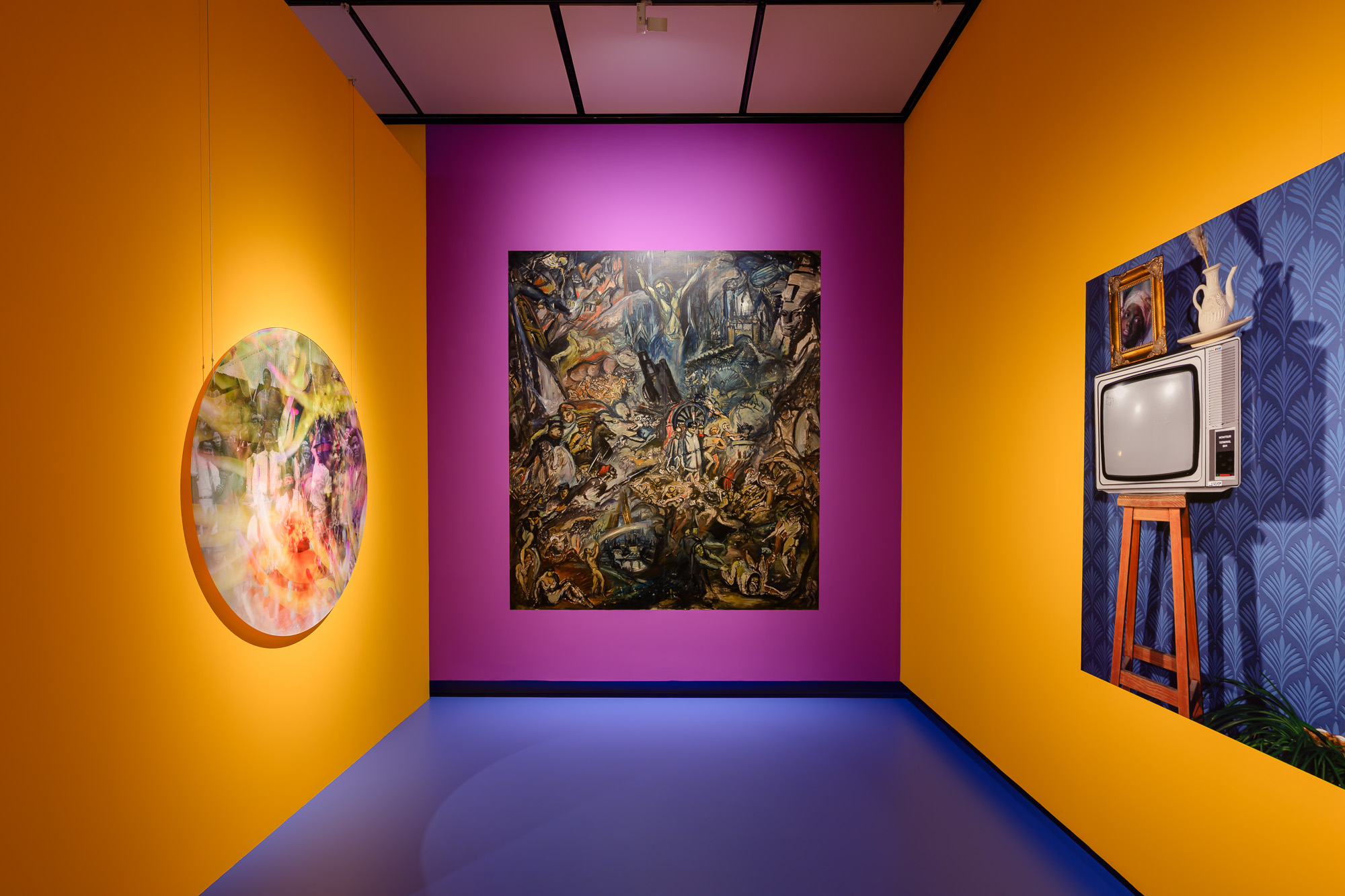
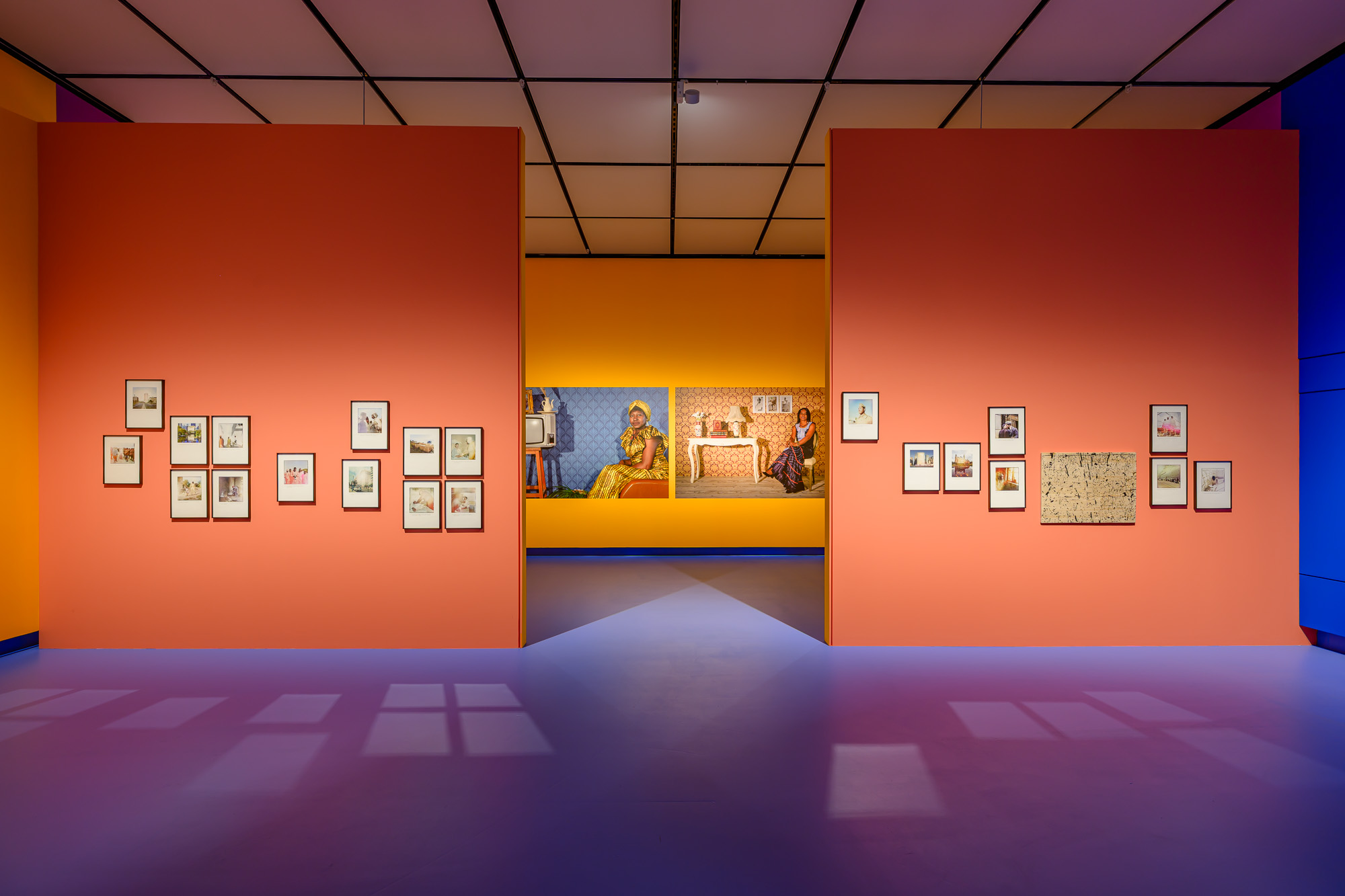
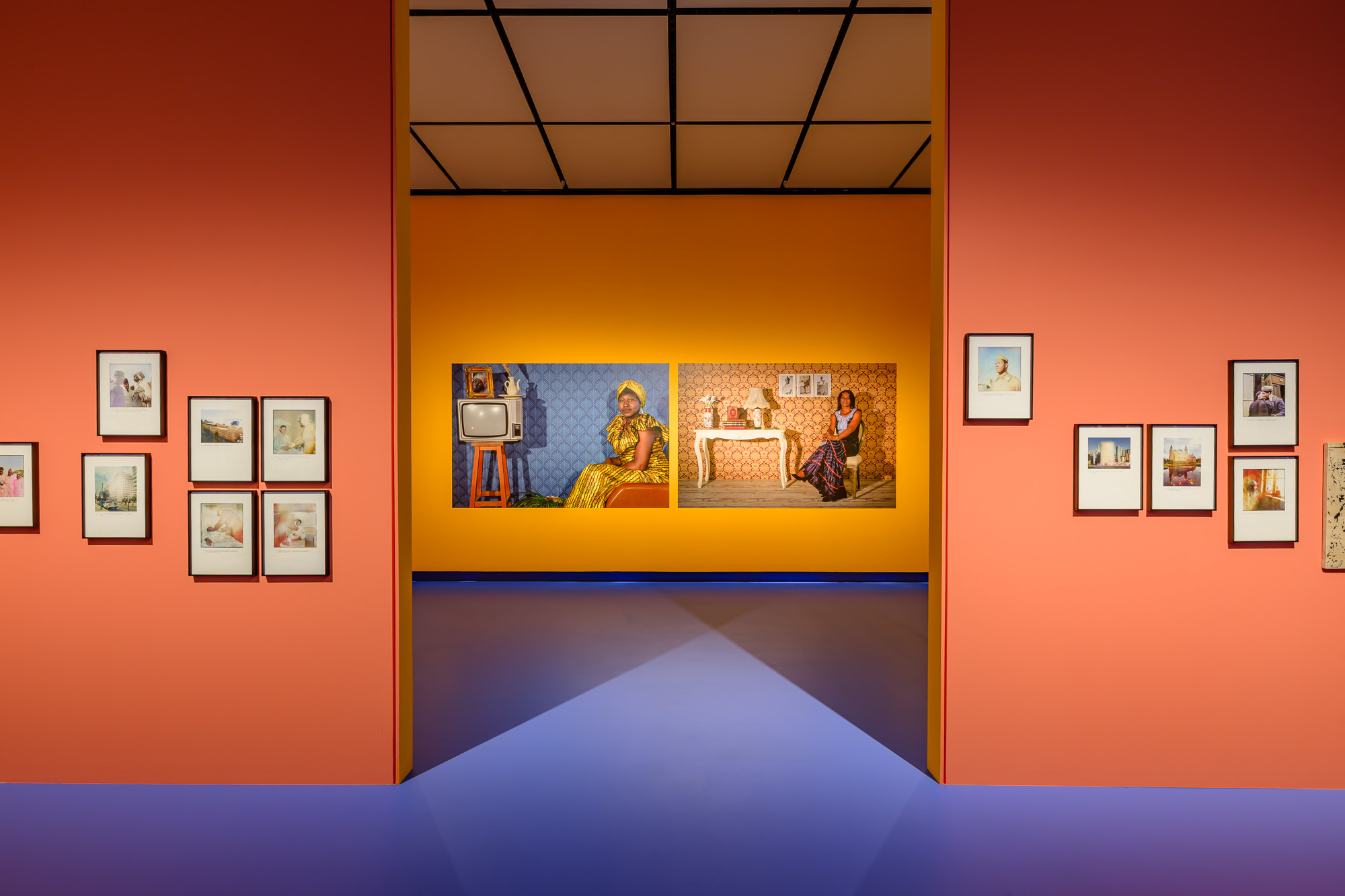
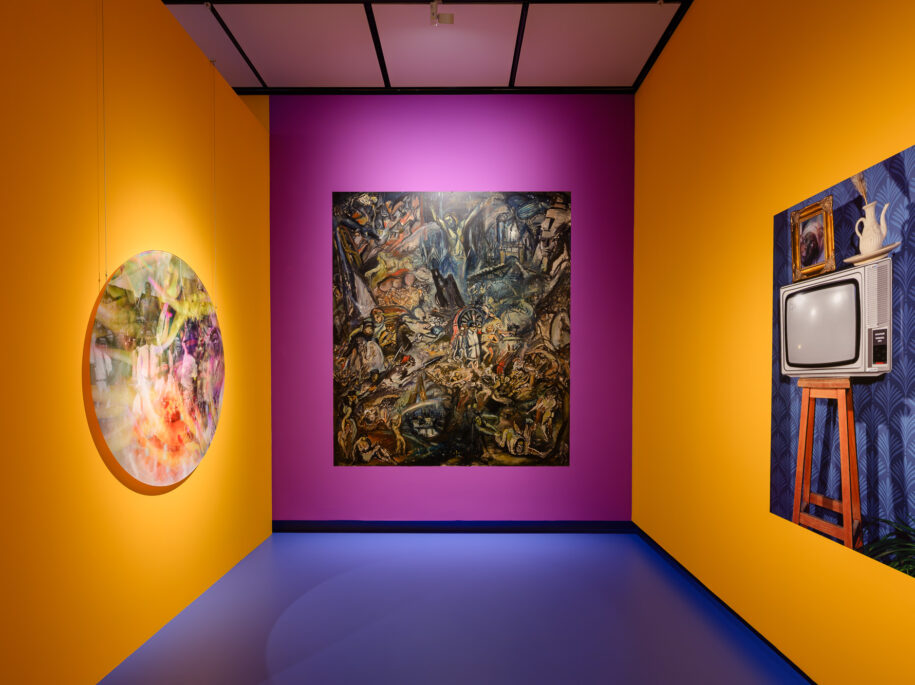
The exhibition brings together works by more than thirty international artists across generations, including fourteen new commissions. It also features the presentation of archival materials, research from five different art spaces and collectives, as well as film screenings. Together, these contributions underscore the persistent relevance of the history of the Tirailleurs for artists, film-makers, and cultural practitioners.


Tirailleurs: Trials and Tribulations. From Cannon Fodder to Avant-Garde—The Forgotten Soldiers Who Freed Europe
Bonaventure Soh Bejeng Ndikung


Tirailleurs, Subjects of the Avant-Garde. The Exhibition as a Common Space for Celebration and Deliberation
Paz Guevara
Visual Counter-Narrative

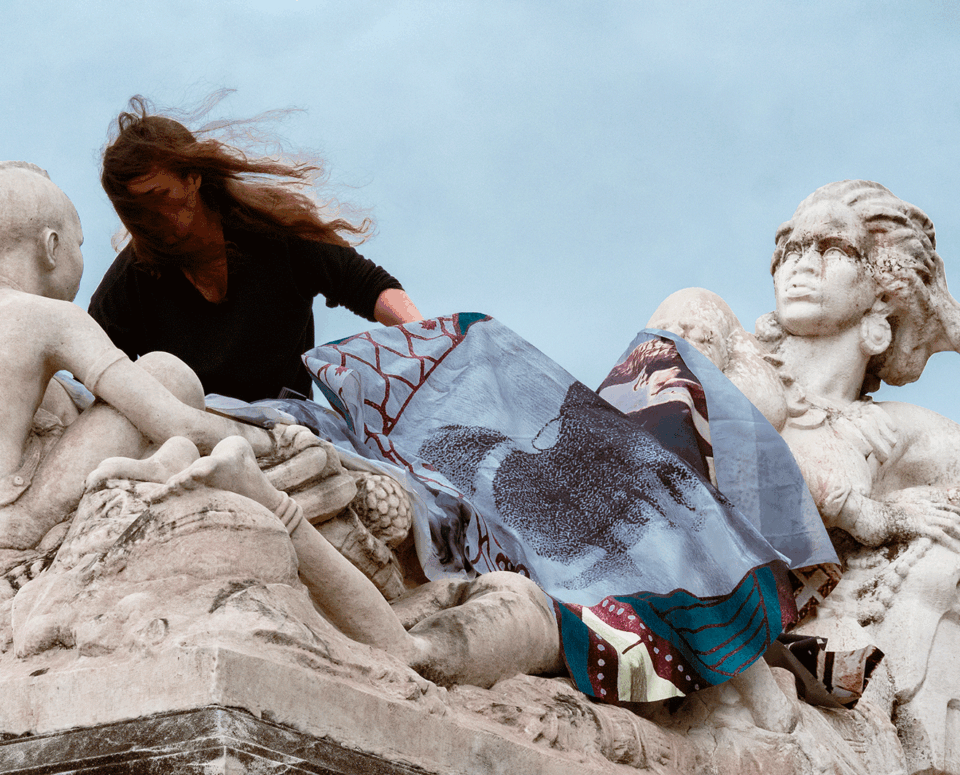
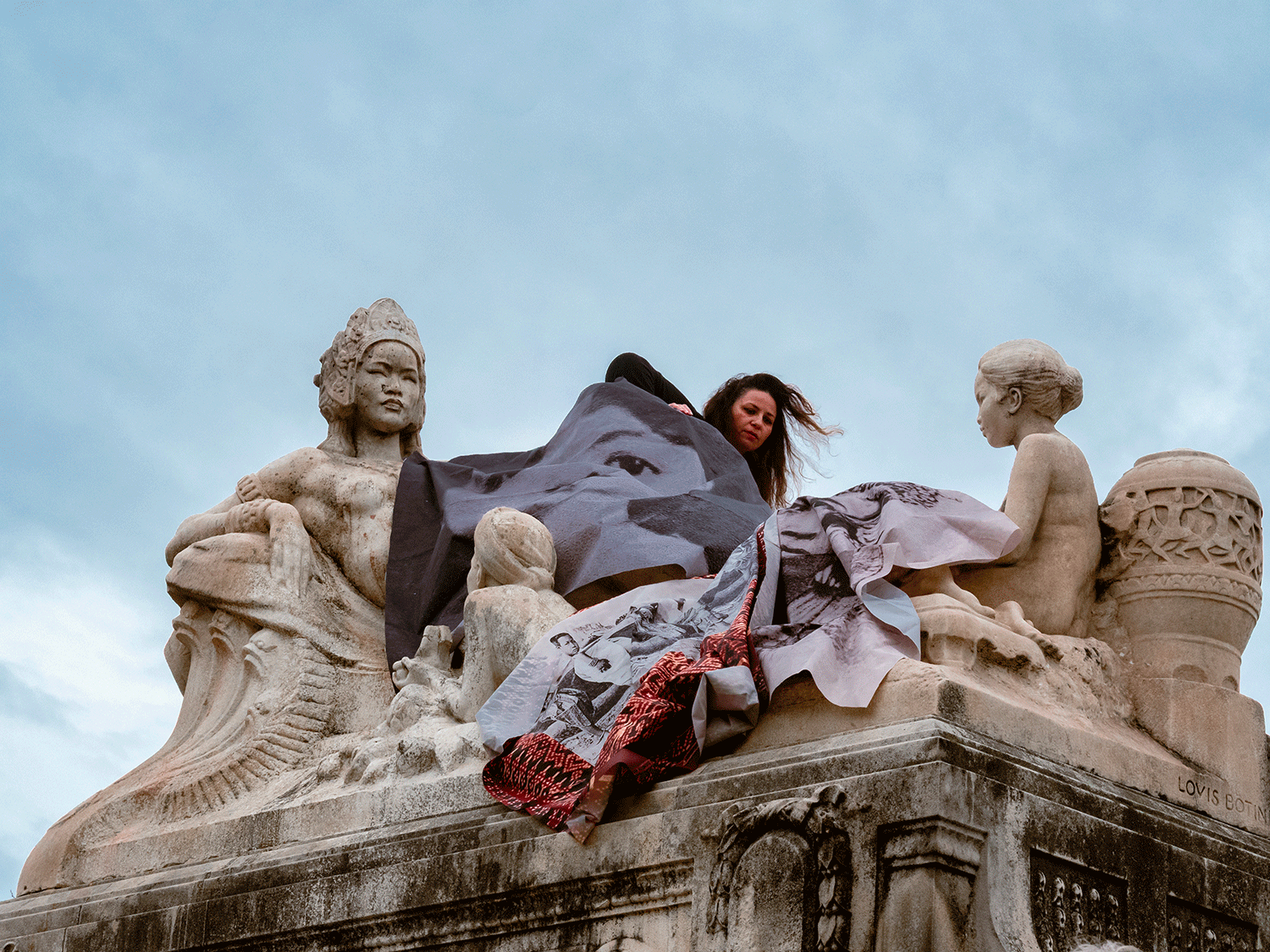
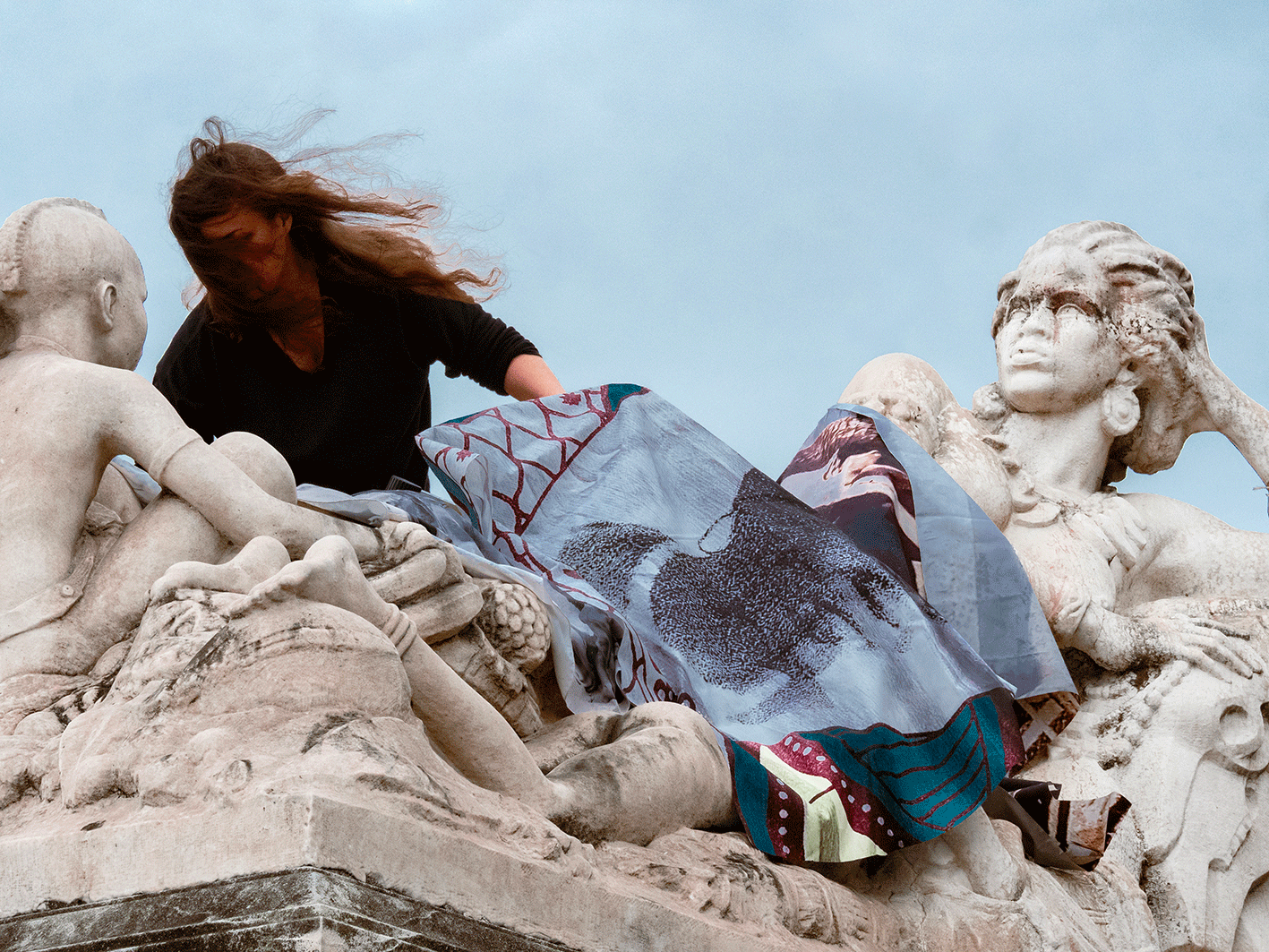
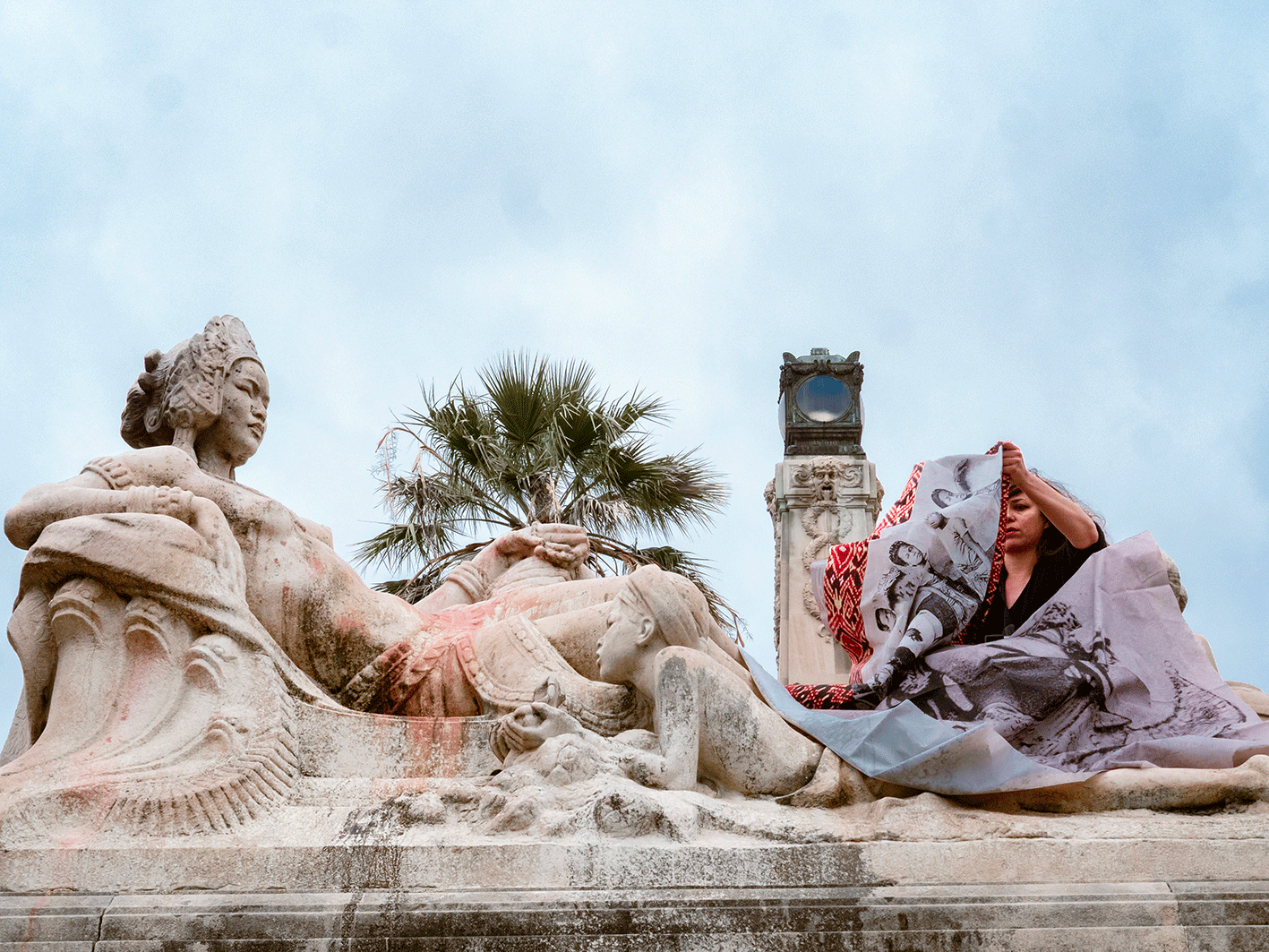
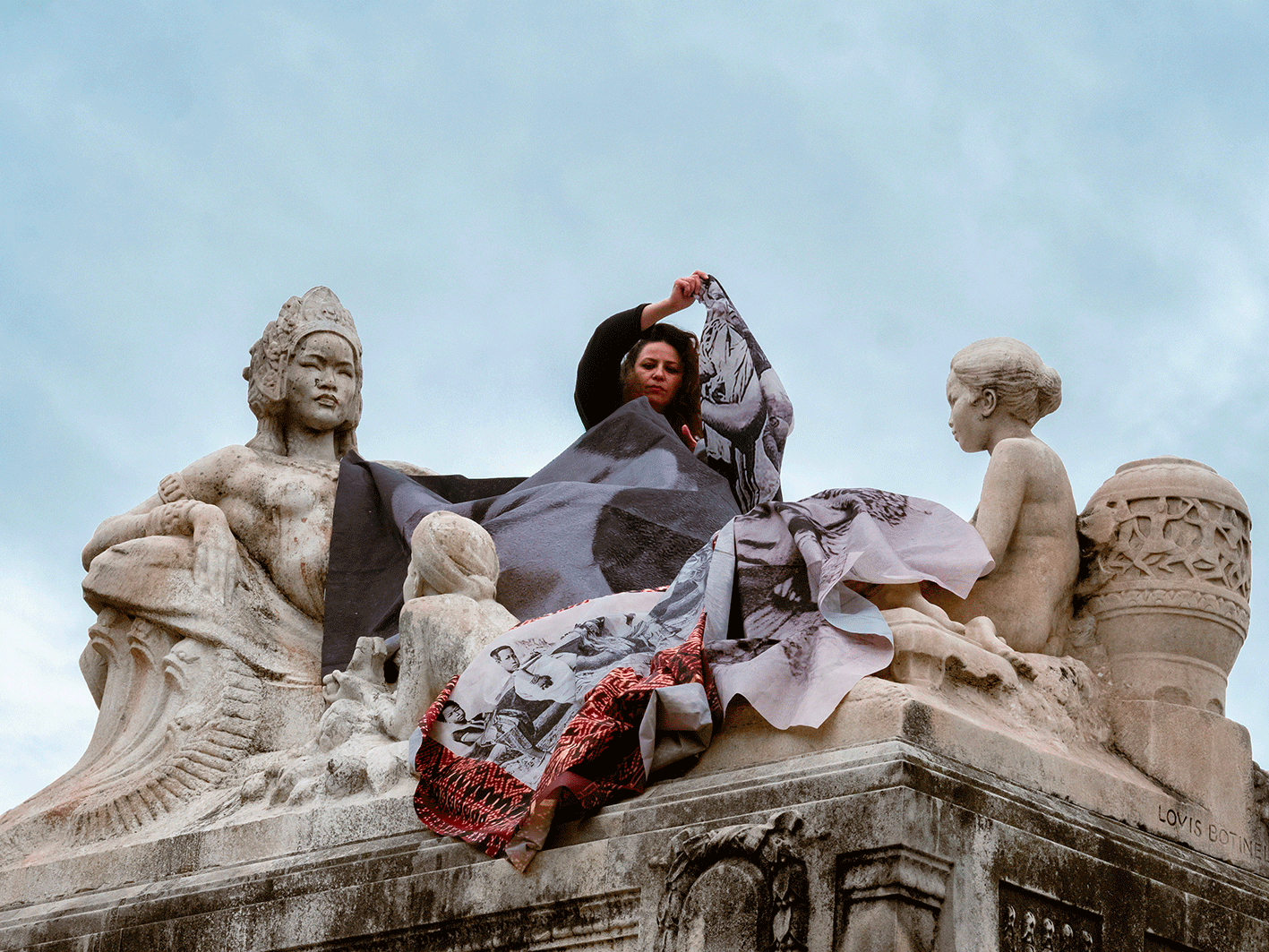
CONTRE-RÉCIT VISUEL – Visual Counter-Narrative | Performance de Halida Boughriet
©halidaboughriet | Intervention sur les Allégories Coloniales, Escalier Monumental, Marseille
2026

When walls conceal, the street reveals. 

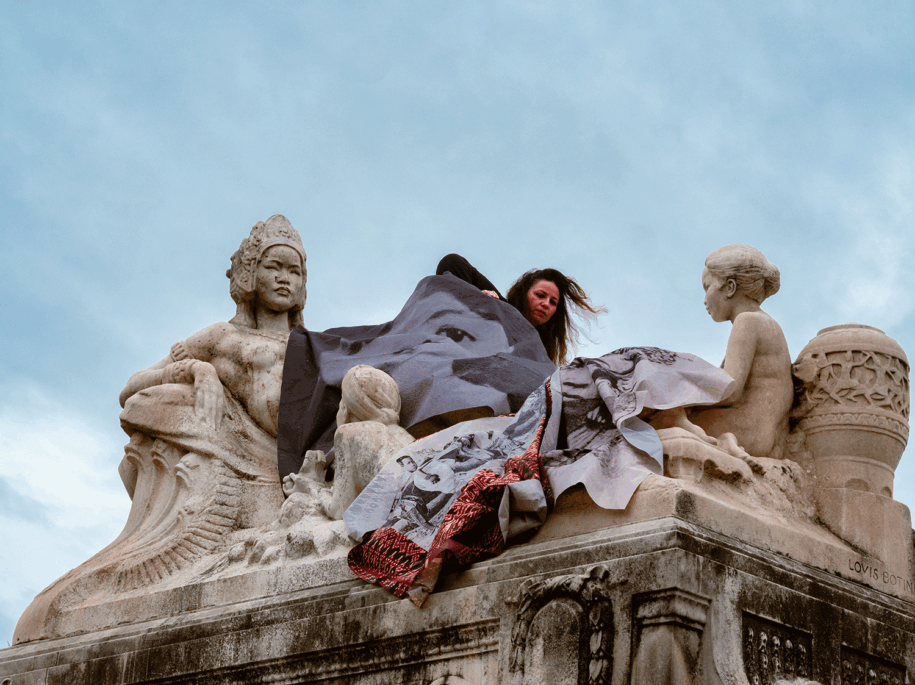
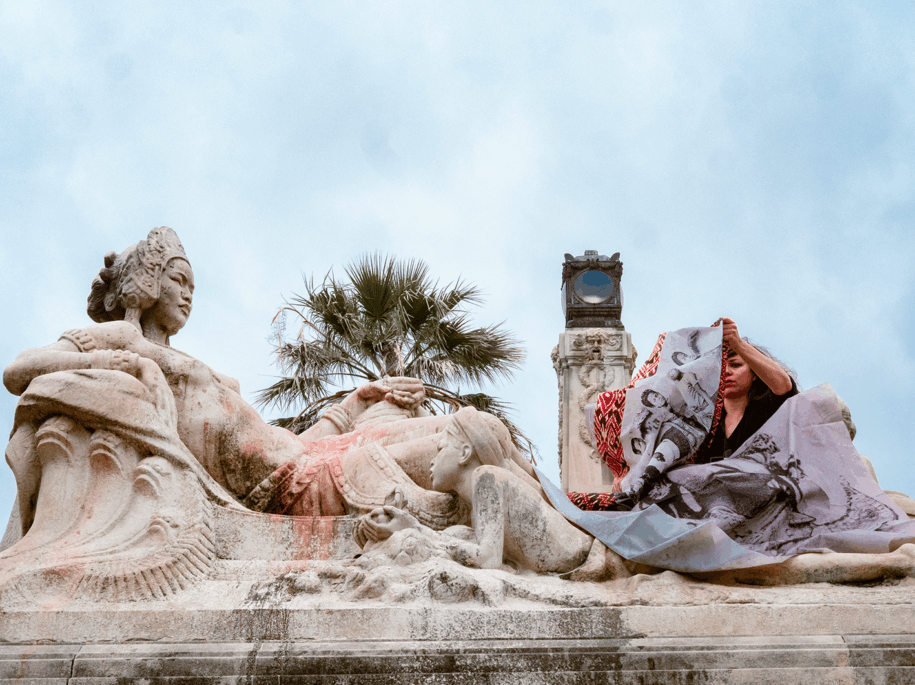
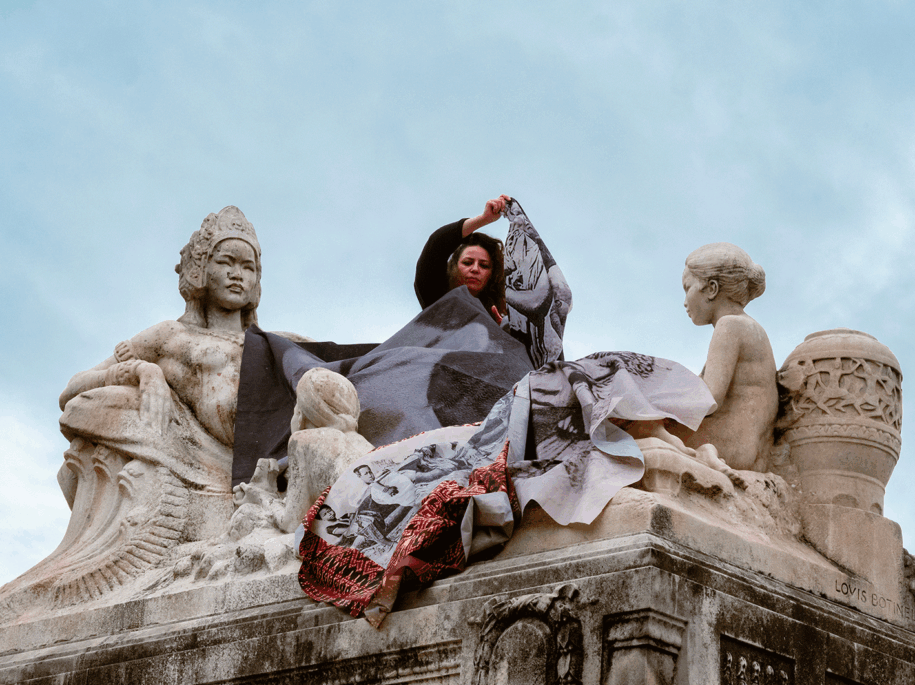
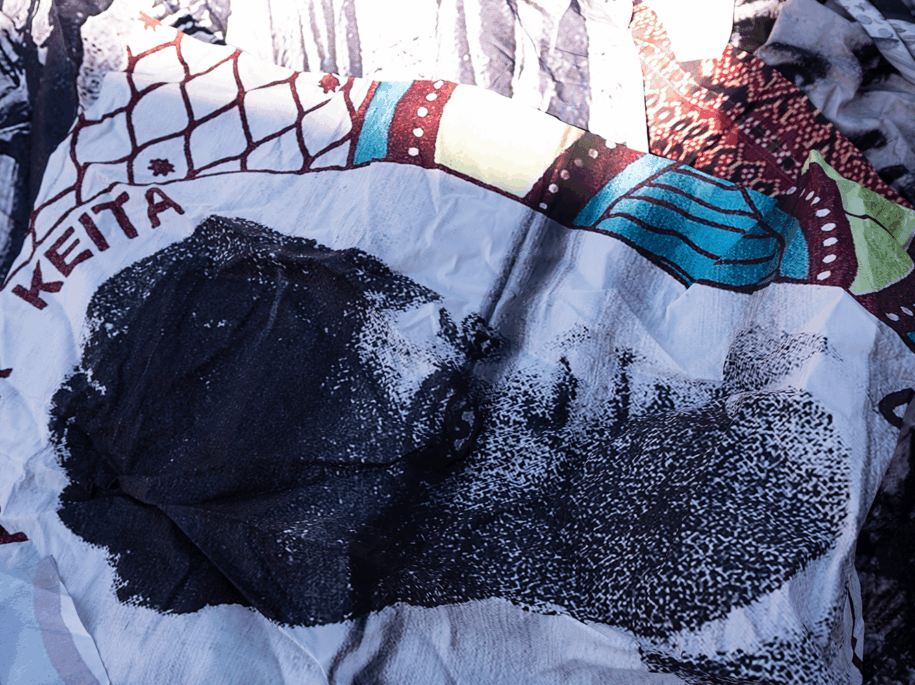
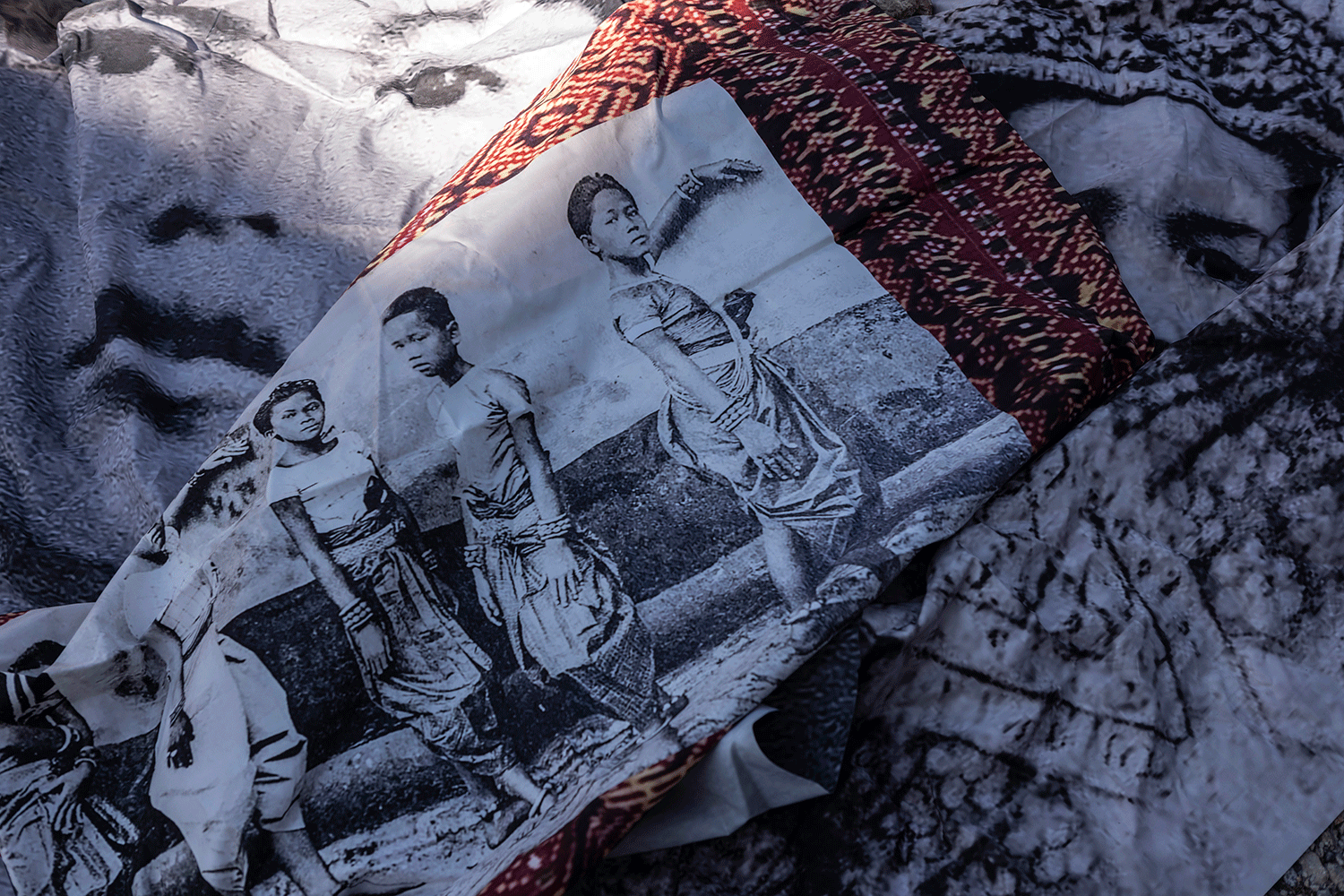
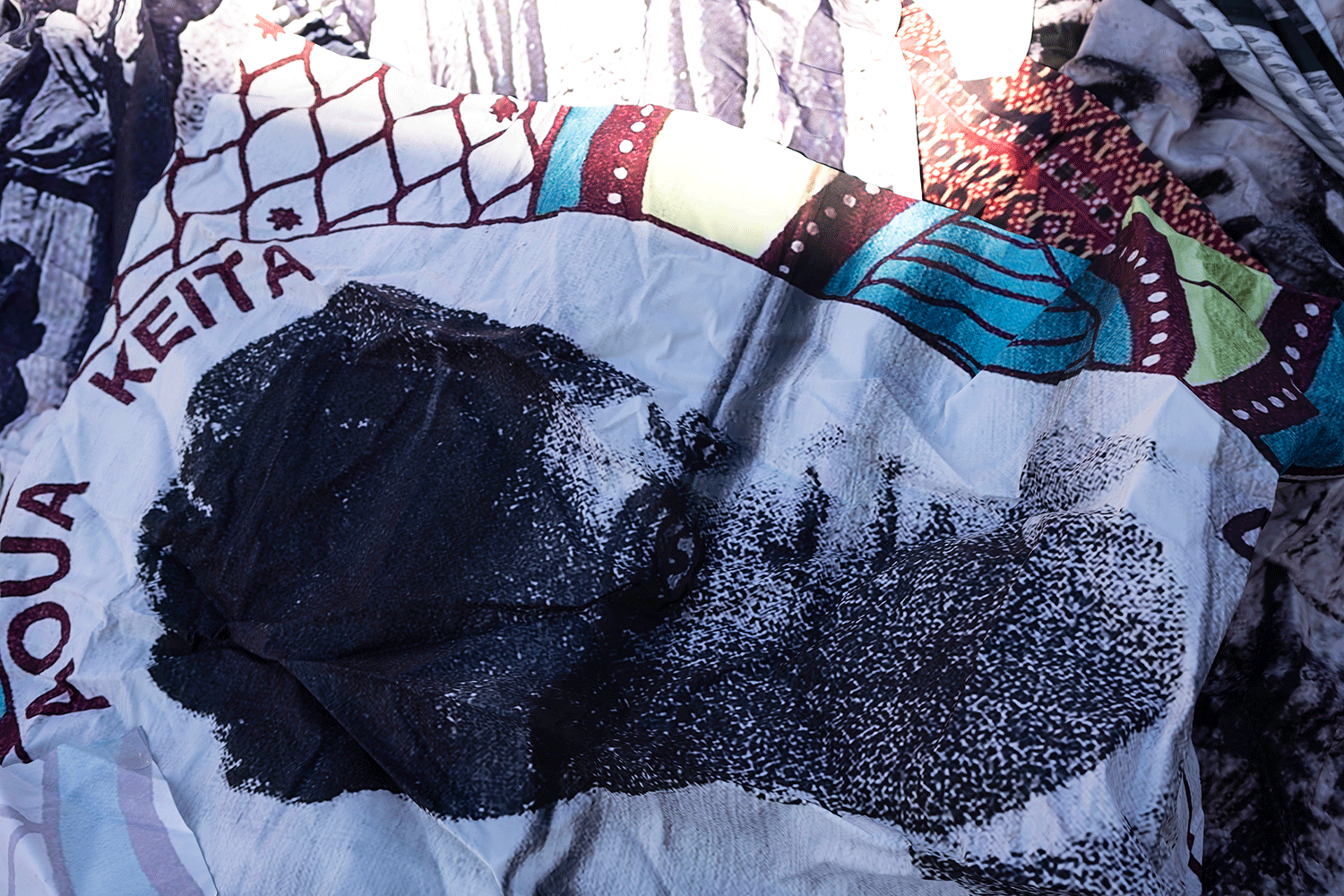
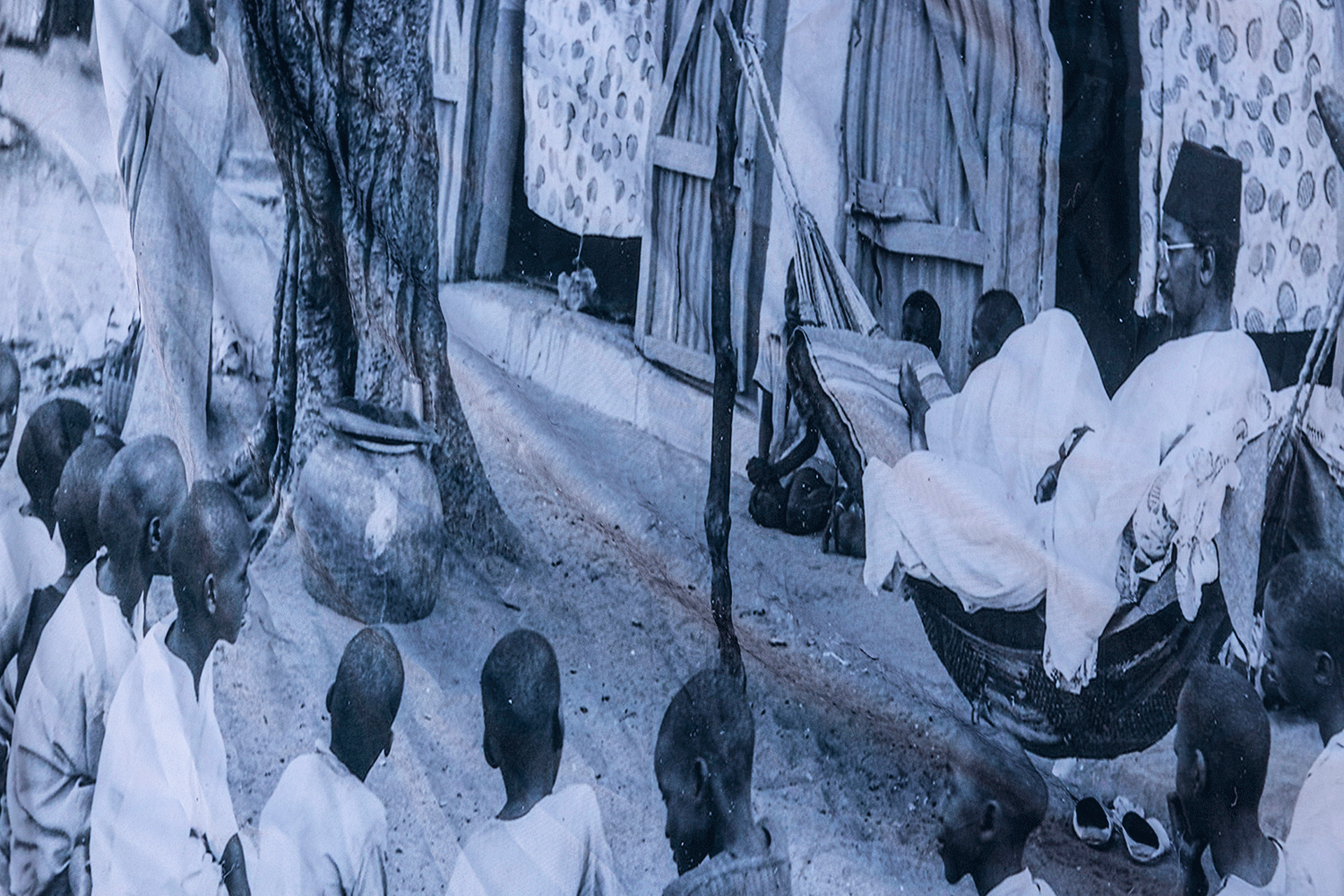
In Marseille, Visual Counter-Narrative transforms the monumental staircase of Gare de Marseille-Saint-Charles built during the height of French colonialism and a symbol of colonial propaganda into a space of memory and resistance.

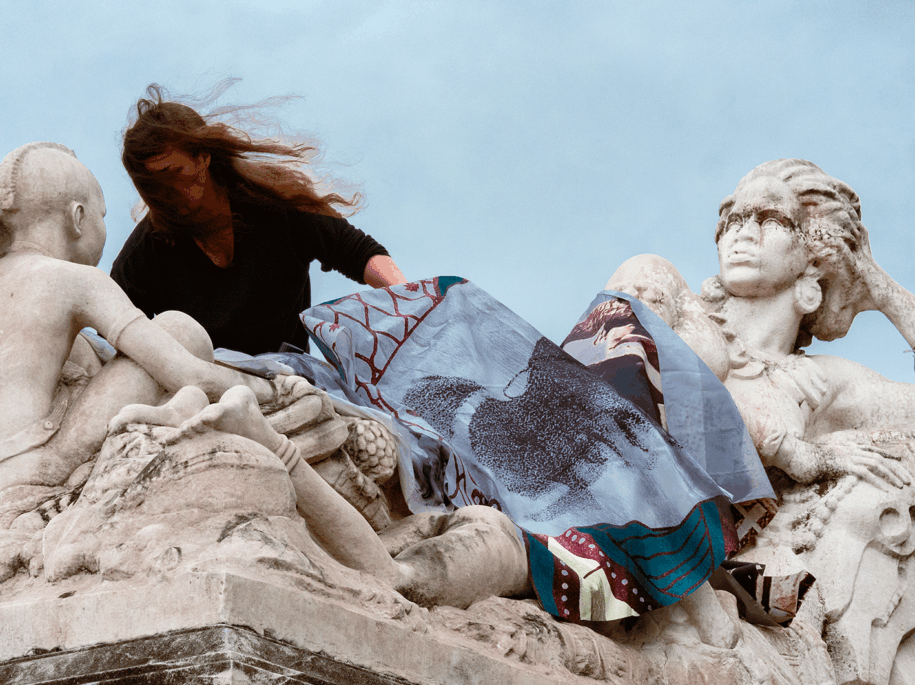
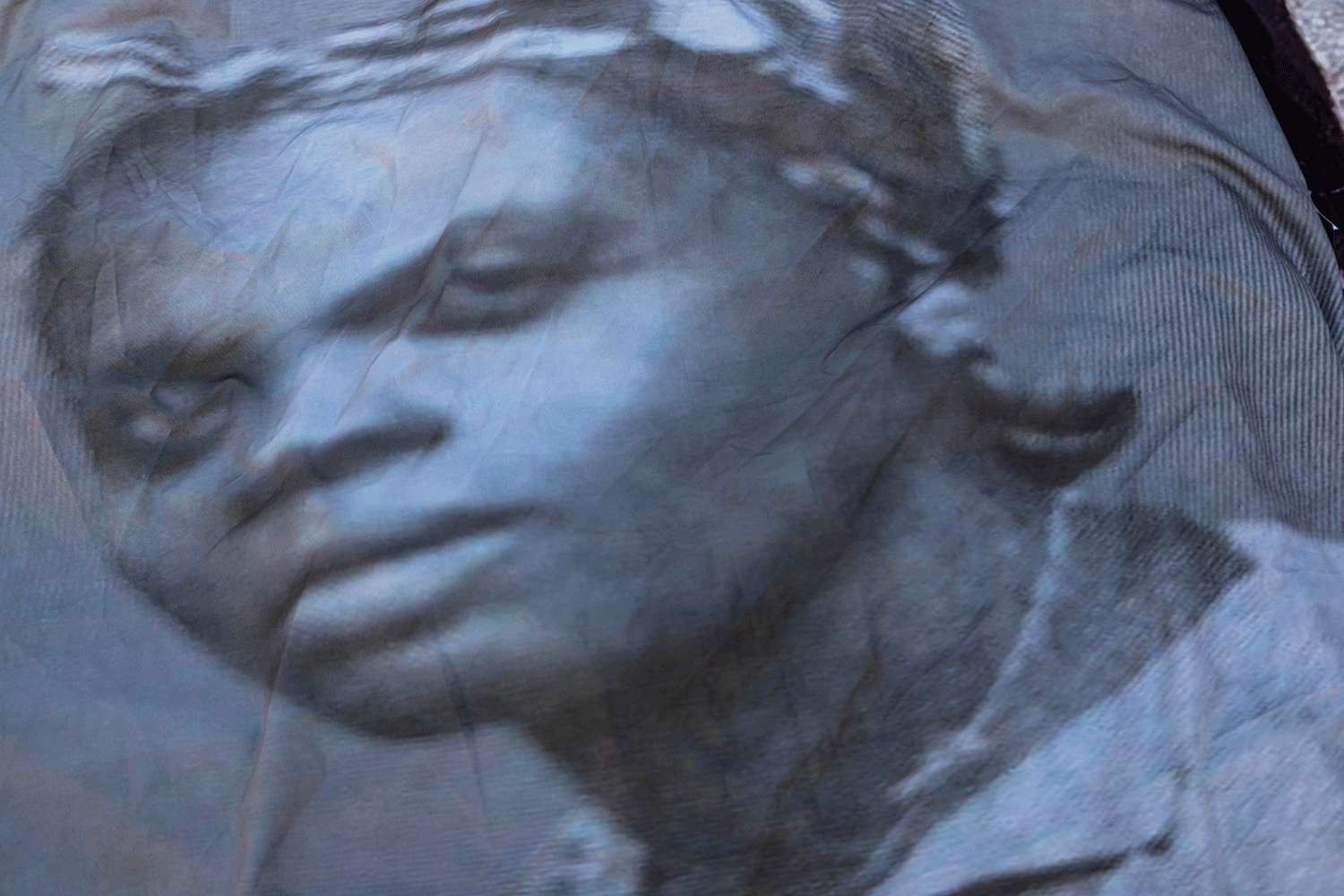
The drapery deployed by the artist does not hide; it subverts and disrupts the sculptures of Louis Botinelly, creating a performative gesture that places the feminine in dialogue with a European patriarchal monument, questioning both gender and colonial power.

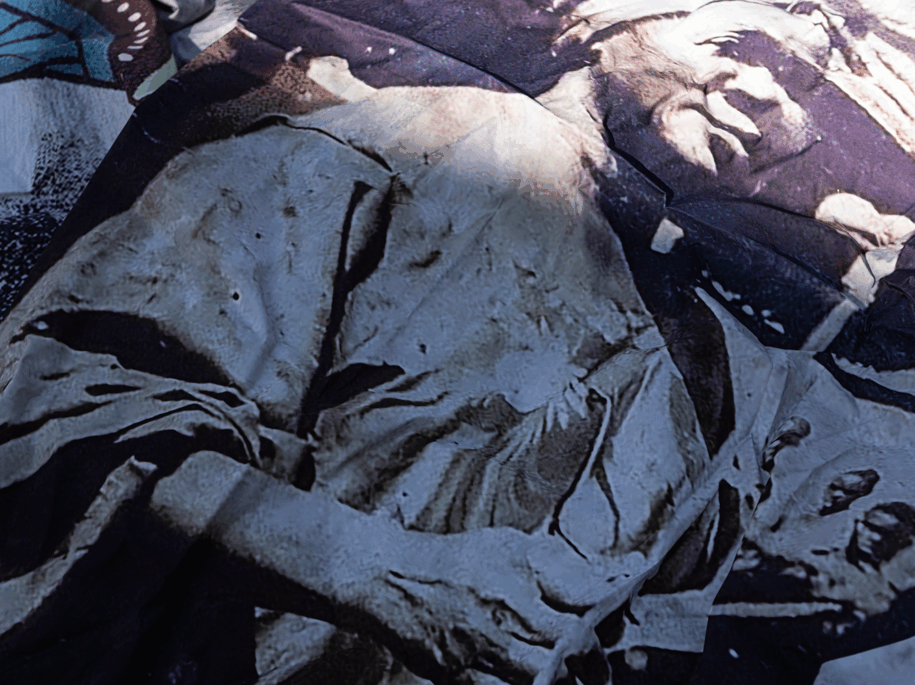
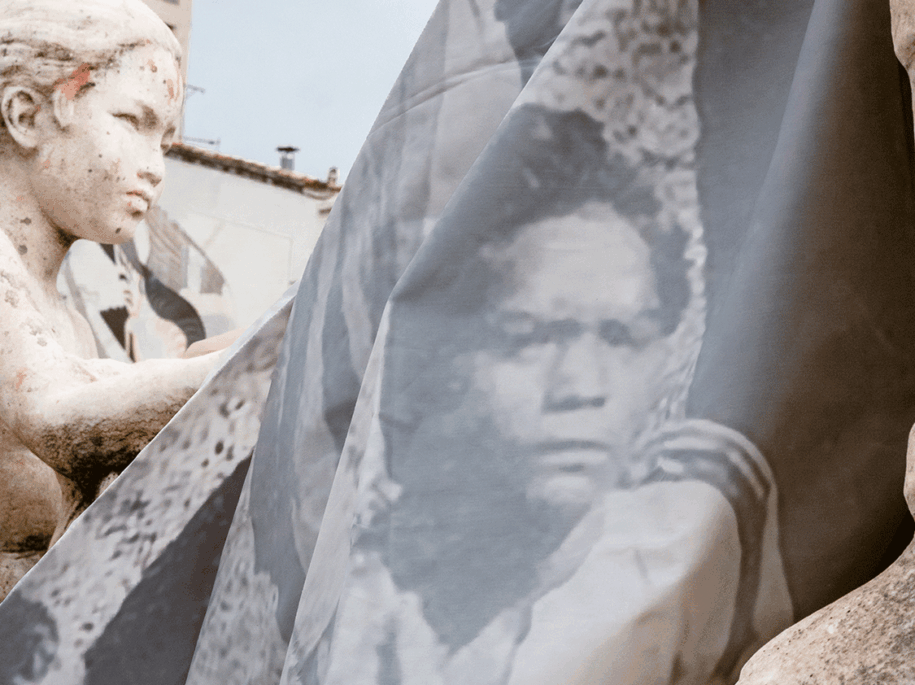
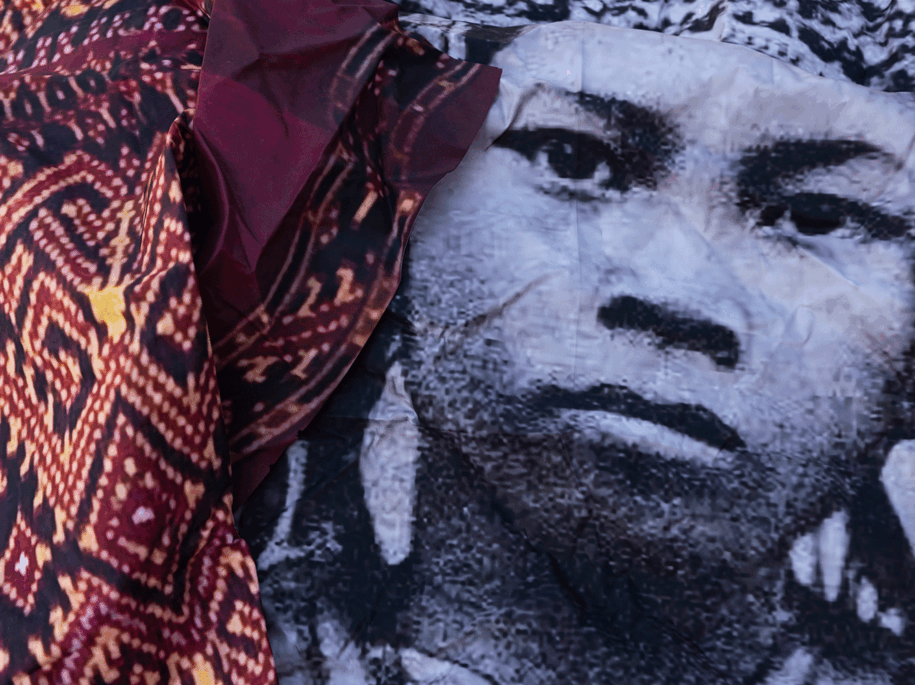
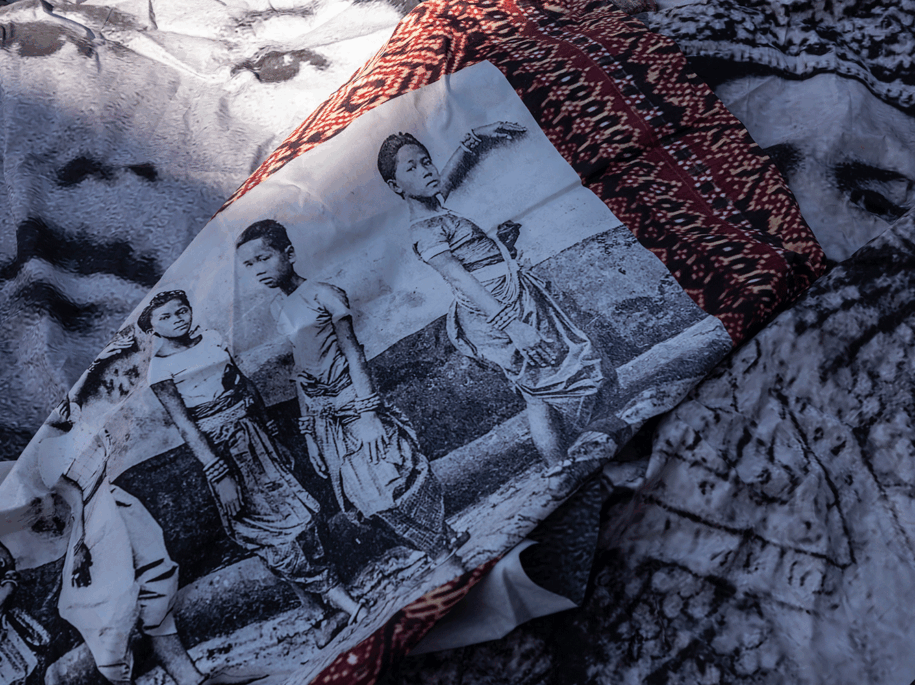
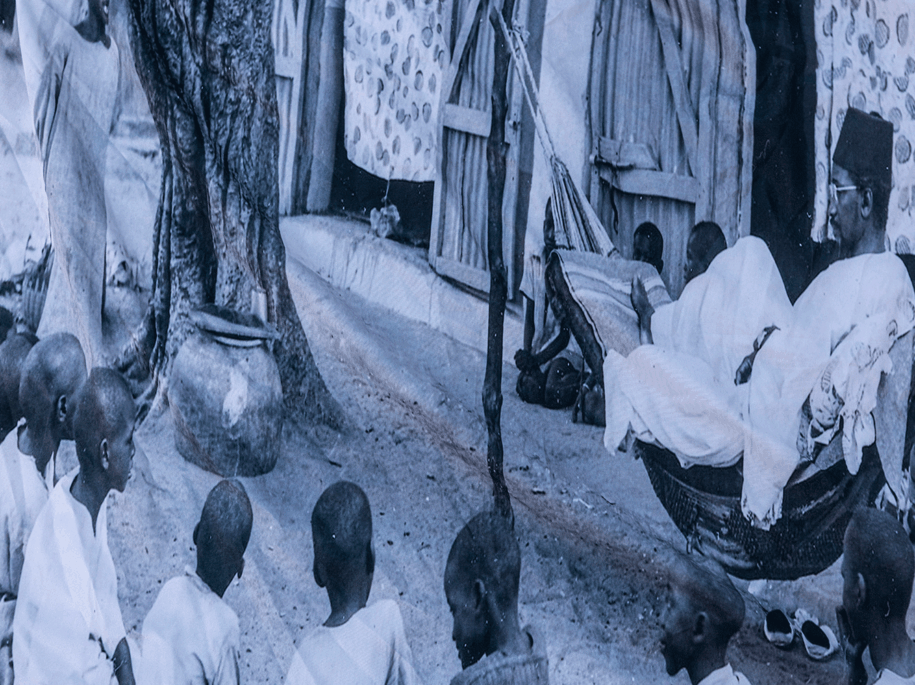
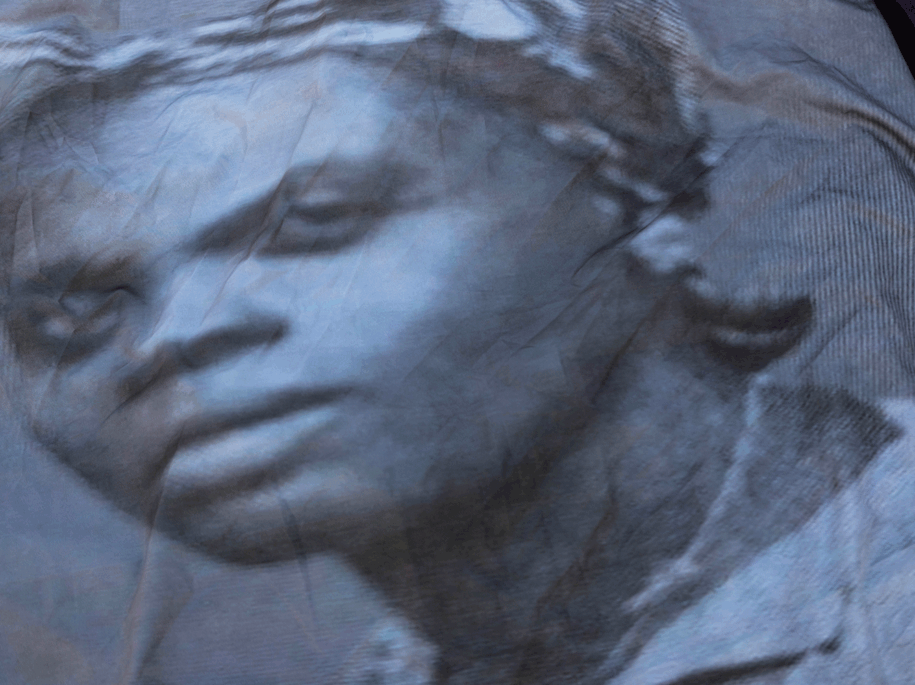
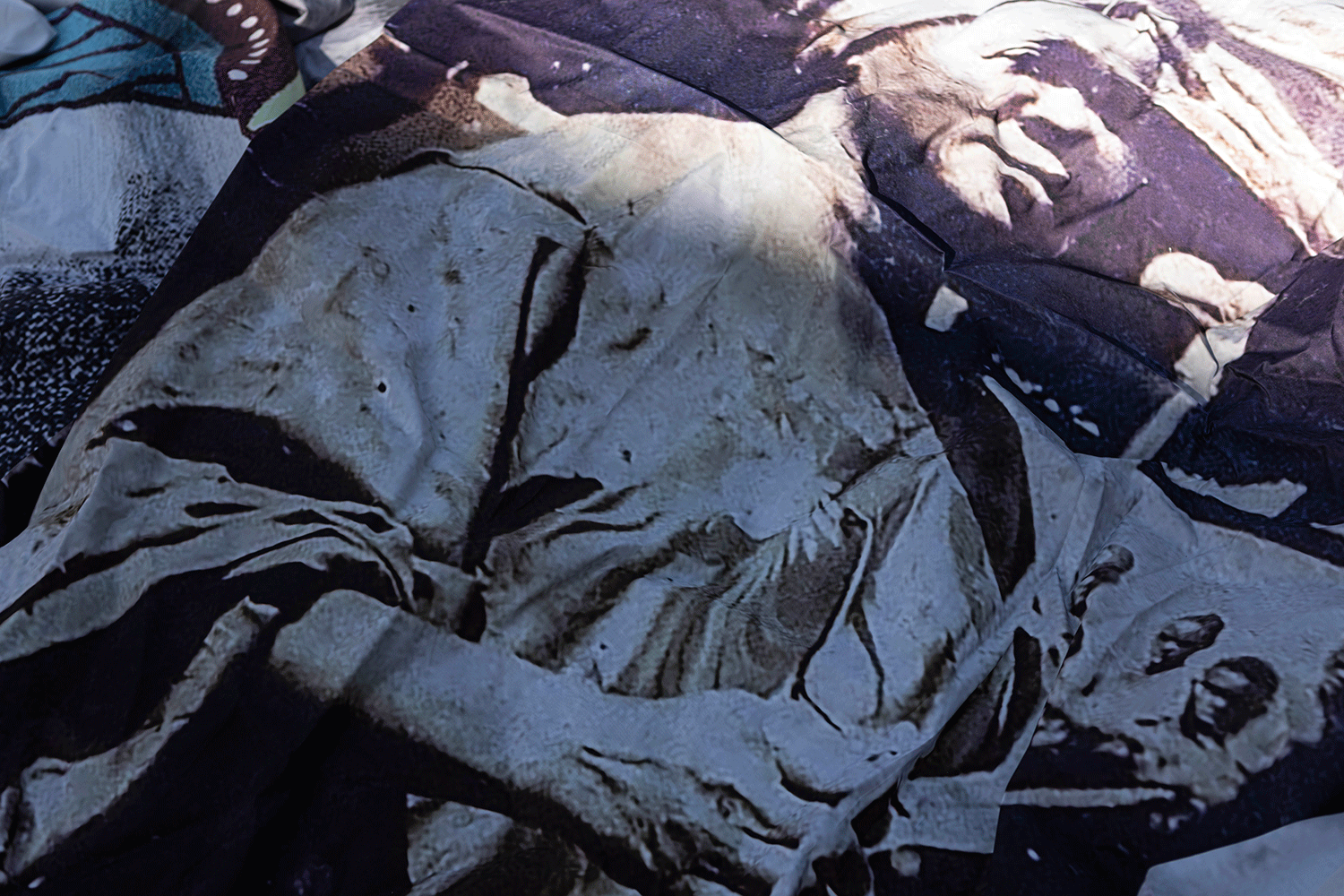
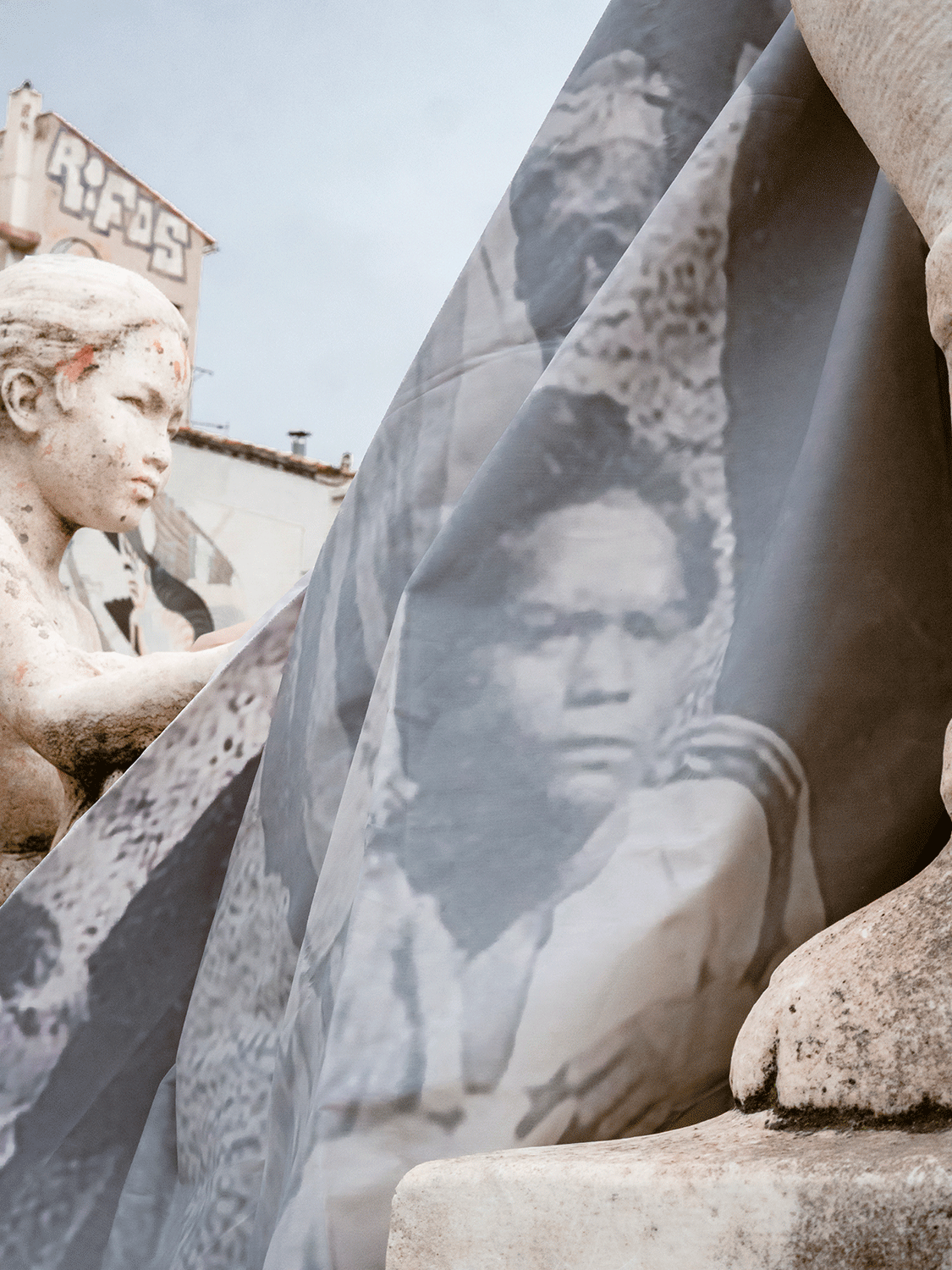
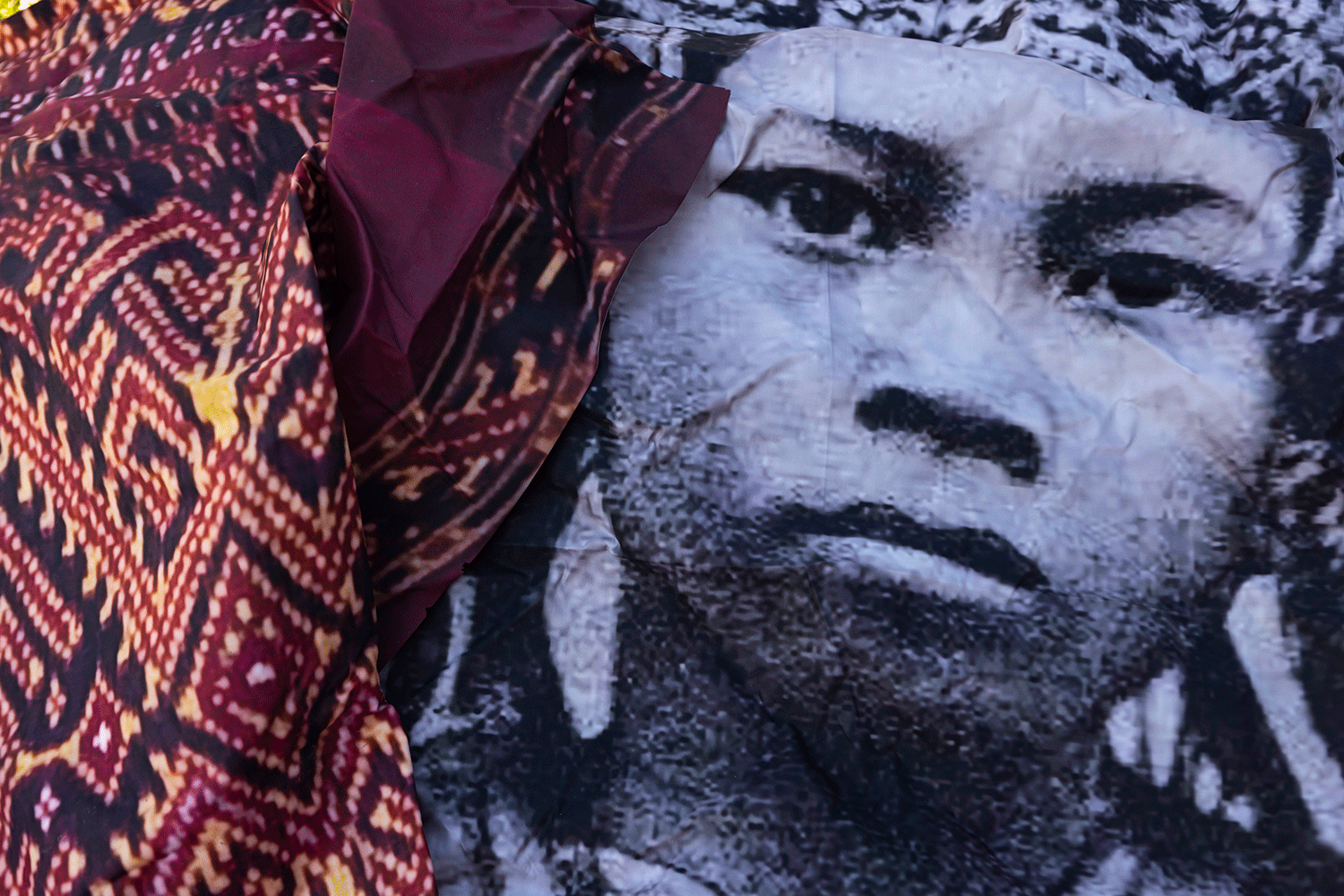
The printed fabrics are not decorative they are acts of subversion. They clothe the monument while interrupting the official narrative, opening the possibility of a visual counter-narrative.

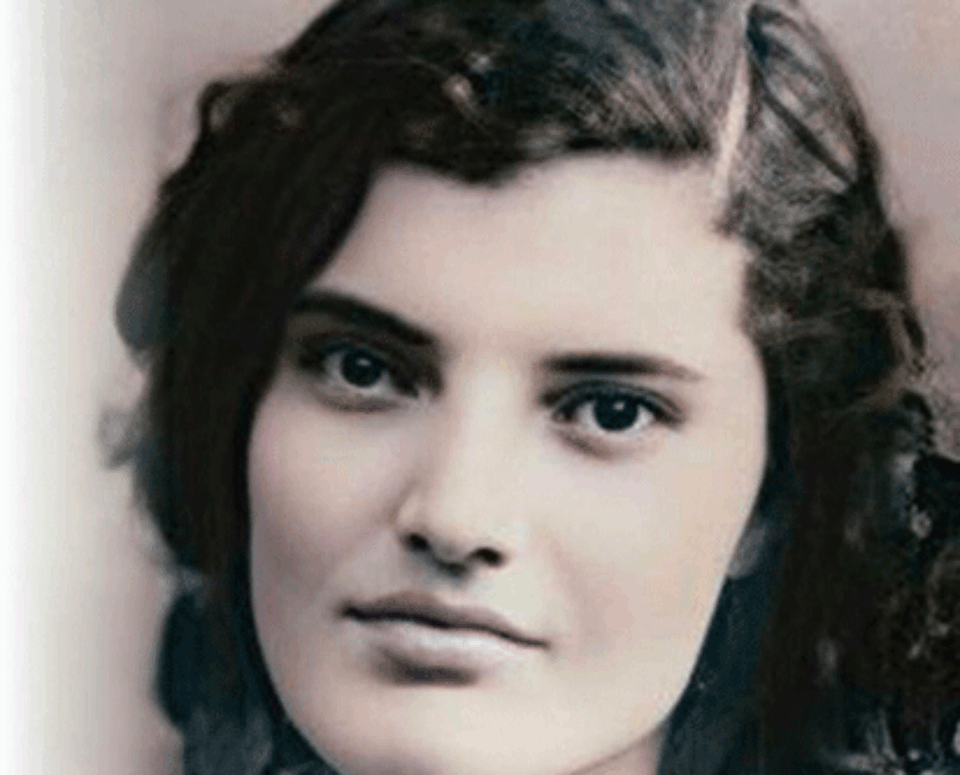
On Les Colonies d’Afrique (1925), Marie Koré, icon of the Women’s March on Grand-Bassam, and Aoua Keïta, Pan-African resistance figure, are superimposed onto colonial archives, weaving a palimpsest where subaltern histories speak.

On Les Colonies d’Asie (1925), Võ Thị Sáu—executed during the anti-colonial struggle against French rule—the King’s dancers, young coryphées, and Khong women with their children of Phnom Penh reclaim public space through archival materials and colonial imagery.

Conceived and performed by Halida Boughriet, this work proposes an alternative form of performance, inviting viewers to reconsider history, memory, and colonial representations in public space.

Performance: Halida Boughriet

Photo & Video Credit: Rodrigo Van Peteghem ©RODRIGO,

Photo : @halidaboughriet 


Forward to Palestine Not Backward to Settlement 

Titre : Forward to Palestine Not Backward to Settlement, 2026
Réalisation et Montage : Halida Boughriet
Format : Vidéo HD | Son | Durée : 14


Sur invitation de la commissaire d’exposition, Kahena Sanaâ.

Artiste et maîtresse de conférences en arts plastiques à l’Université de Strasbourg.

Sumud est un mot du répertoire palestinien qui prend racine dans l’amour de la terre et désigne l’attachement des Palestiniens à y maintenir la vie et à y inscrire leur mémoire, malgré et face à la violence coloniale, qui a pris une tournure génocidaire depuis une année, visant à détruire le passé, le présent et l’avenir palestiniens.

En live-screen, heure après heure, les images les plus insoutenables parviennent aux yeux du monde entier, arrachées dans des conditions extrêmes par les Palestiniens survivants à Gaza, qui témoignent de leur propre extermination. Filmer et faire circuler les vidéos devient une arme de lutte sur le terrain de la vérité, mettant en échec la propagande et la désinformation médiatique délirantes. Alors que l’armée coloniale vise délibérément autant les journalistes que les médecins, et toute vie sur cette terre, à commencer par les enfants. Dans le même temps, la complicité des États puissants s’exerce par la répression et l’intimidation des voix qui s’élèvent pour dénoncer l’horreur et combattre l’impunité.

En tant que « témoins indirects » face à l’indescriptible et au sentiment d’impuissance, que peuvent les artistes dans cette guerre des images ?

Cette exposition d’art vidéo est une riposte, conçue comme une « mobilisation visuelle et collective » qui regroupe des artistes tunisiens, algériens et libanais. Elle est pensée comme une constellation de positionnements qui assument leur portée militante et agissent sur et par les images, dans une double dimension visible et lisible. Elle vise à sortir les images du régime du flux et de l’instantanéité des plateformes numériques qui risquent de les banaliser ou de les vider de leur portée, pour en prendre le contrepoint, afin de les ressaisir dans leur épaisseur matérielle, sémantique, spatiale et temporelle.

Onze regards, à charge poétique et politique, visant à maintenir la Palestine dans le champ de l’attention et dans l’urgence de l’agir, et contrer par ce geste, les politiques de l’occultation.

Found footage, plans filmés, dessins numériques et images-textes, les artistes ont conçu les vidéos comme une pratique de démontage et de remontage, capables d’articuler les lieux et les temporalités, ainsi que le texte, le son et l’image, pour proposer une expérience visuelle de pensée critique et redonner voix à la solidarité avec les luttes des peuples palestinien et libanais.

Renverser l’impossible en possibles, telle est la leçon palestinienne du Sumud.

Forward to Palestine Not Backward to Settlement
Back to Top