Blog
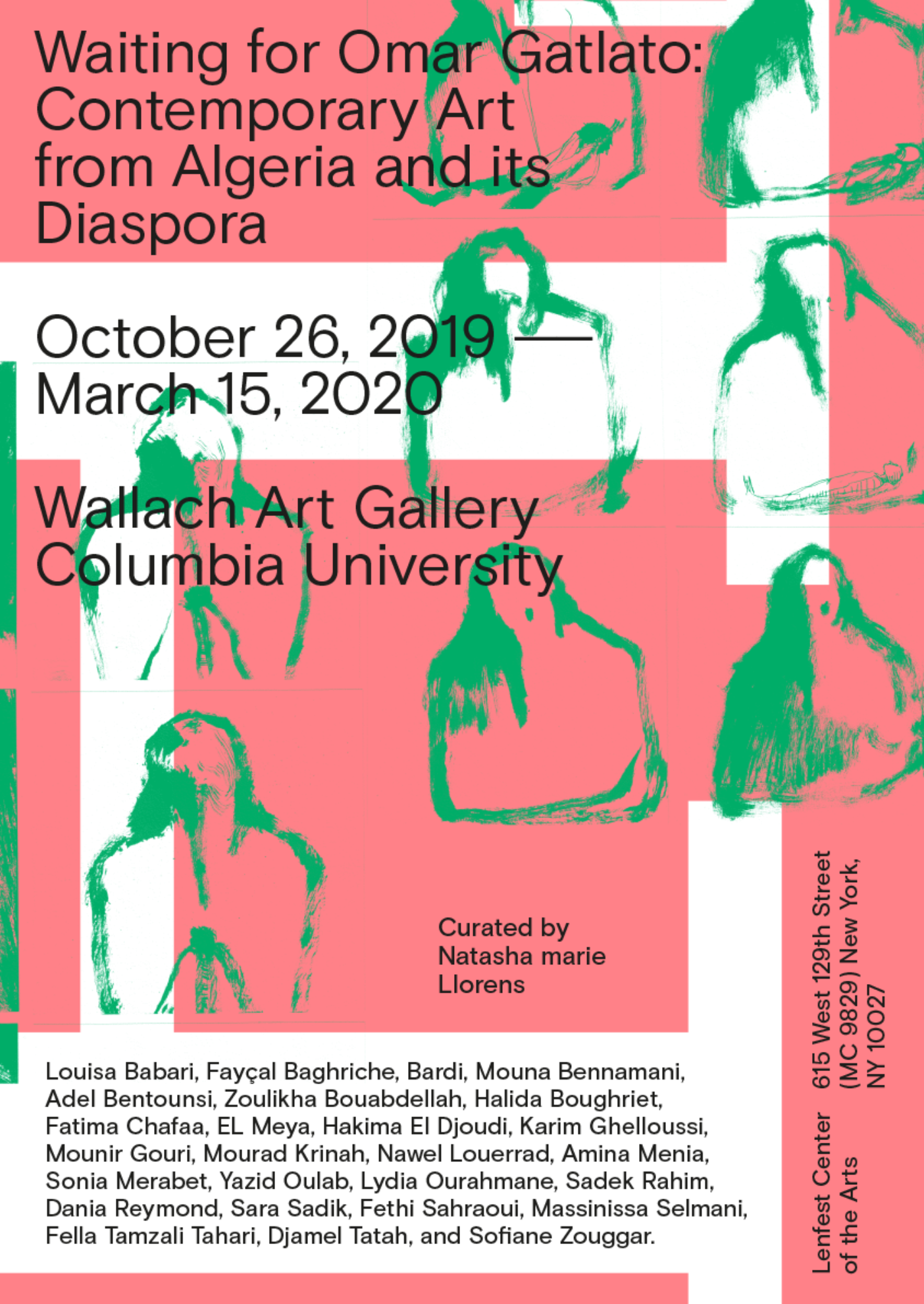
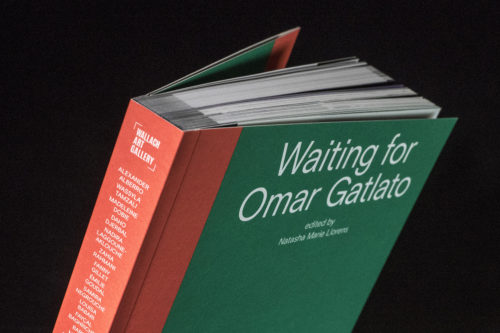
Waiting for Omar Gatlato: Contemporary Art from Algeria and its Diaspora.
Curated By
Natasha Marie Llorens
Opening Reception: Friday, October 25, 2019, 6 – 8pm
On view October 26 – March 15, 2020
Design credit: Eider Corral
Waiting for Omar Gatlato is a survey of contemporary art by Algerian artists and by those in its diaspora. The project expressly refuses thematic axes, such as “memory” or “exile”, “the violence of the civil war”, in favor of the open-ended framework Algerian film critic and lawyer Wassyla Tamzali sets out in her eponymous volume, published in Algiers in 1979. In her book, Tamzali argues that Merzak Allouache’s 1976 feature film Omar Gatlato represents a turn toward the individual in Algerian society, their desires and the contradictions they struggle with. This exhibition proposes that an analogous ouverture vers le quotidien is taking place in today’s art scenes and, indeed, even in its streets.
The Algerian context is hard to integrate into a broad regional history because it is exceptional, even when viewed together with its North African neighbors, Tunisia and Morocco. The specificity of its long, intimate colonial relationship to France, the fact that it experienced a violent Islamic coalition movement in the 1990s, decades before the rise of ISIS, and the significance of its non-Arab, Muslim Berber minority in political discourse and cultural life are just a few factors contributing to this exceptionalism.
« En Attendant Omar Gatlato » is presented with full acknowledgment of this exceptionalism and the attendant impossibility—both political and aesthetic—of representing an artistic context that is at odds with its own national mythology. The exhibition nevertheless takes a claim for national specificity seriously, not as a way to essentialize artists from Algeria or its diaspora, but as an important structuring condition of their cultural production both at home and abroad
Participating Artists
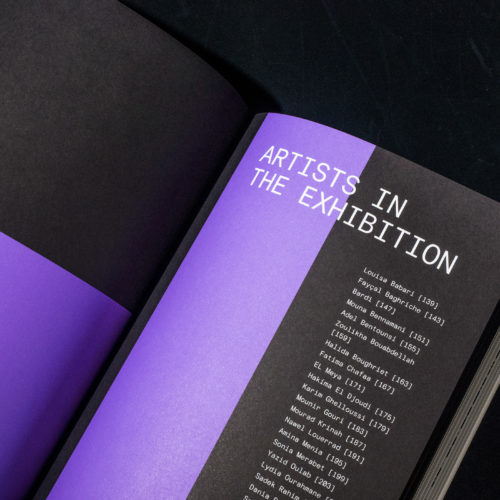
Louisa Babari, Fayçal Baghriche, Bardi, Mouna Bennamani, Adel Bentounsi, Zoulikha Bouabdellah, Halida Boughriet, Fatima Chafaa, EL Meya, Hakima El Djoudi, Karim Ghelloussi, Mounir Gouri, Mourad Krinah, Nawel Louerrad, Amina Menia, Sonia Merabet, Yazid Oulab, Lydia Ourahmane, Sadek Rahim, Dania Reymond, Sara Sadik, Fethi Sahraoui, Massinissa Selmani, Fella Tamzali Tahari, Djamel Tatah, and Sofiane Zouggar.
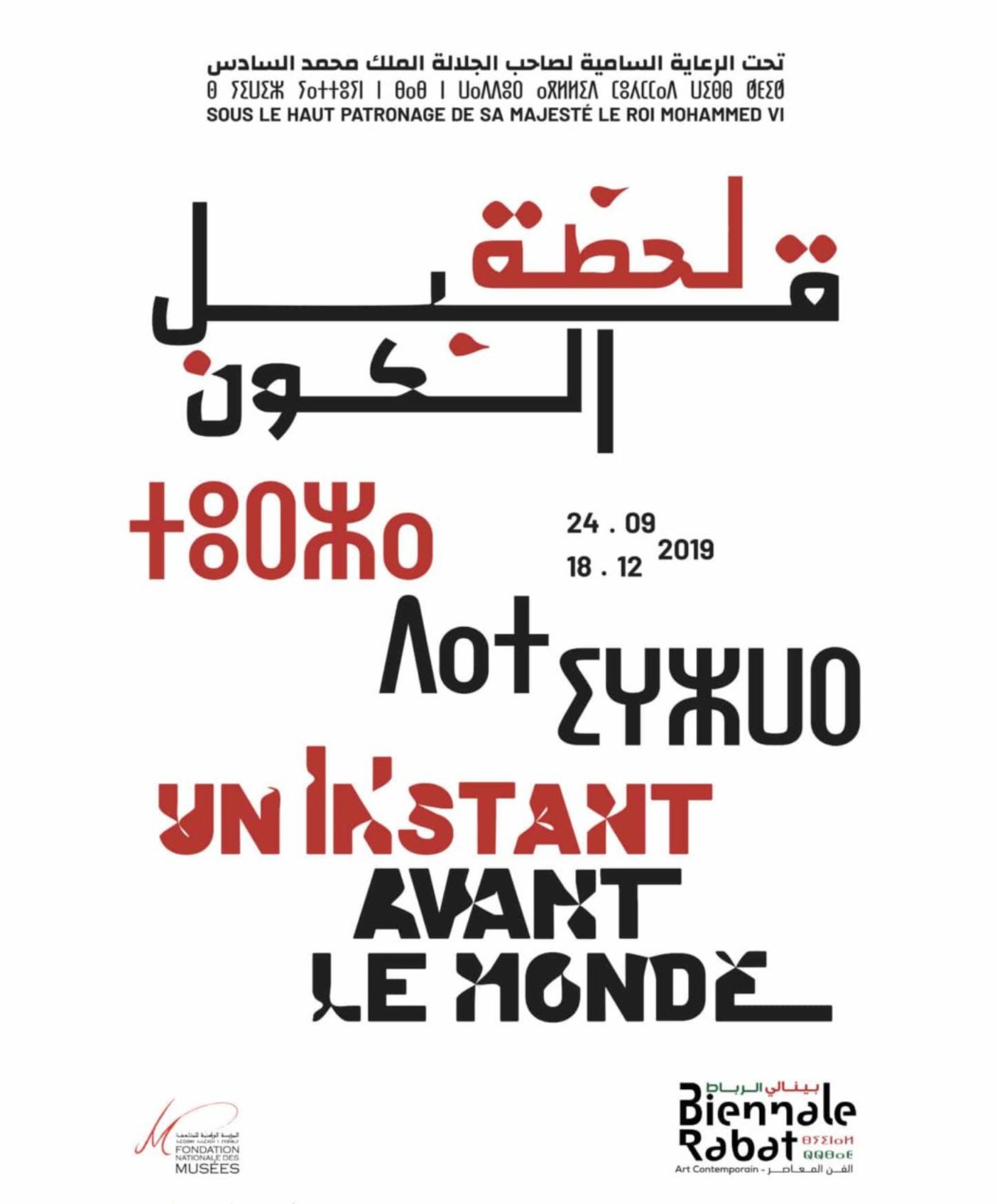
Un instant avant le monde
DU 24 SEPTEMBRE AU 18 DÉCEMBRE 2019
https://www.biennale.ma/portfolio-item/halida-boughriet/
Pour la Biennale, l’artiste présente son œuvre Implano de Arisana résultant de sa résidence à Nice en 2018. En recentrant l’humain au cœur du territoire, Halida Boughriet interroge notre rapport au monde tout en contestant notre propension à la stigmatisation.
Implano de Arisana, Halida Boughriet, 2018-2019
«Implano de Arisana» est un dispositif vidéographique qui aborde les questions de l’identité, du territoire et de la frontière, mais aussi la figure féminine « le mythe d’Ariane abandonnée». Considérée comme un quartier difficile, tant par son histoire que par sa population, l’Ariane est profondément isolée par le Paillon, ligne de démarcation constituant la frontière symbolique entre ce territoire et le centre-ville de Nice. Mon désir était de filmer ce quartier populaire, de le regarder autrement. A commencer par la rencontre humaine et chaleureuse de quelques femmes qui y vivent et qui sont devenues l’axe central de mon travail.
Par une esthétique du geste, je traverse les plans architecturaux datant de 1970 vers des personnages qualifiés de déesses. Ces femmes se font surtout l’expression collective d’une forme d’identité revendiquée et d’ouverture. J’utilise essentiellement la décomposition du temps pour donner à voir les corps en action lors de leur performance. La lumière apporte de l’intensité dramatique à la scène. Elle témoigne de leur exil qui renvoie à l’image symétrique d’un passé et d’un présent, l’un se confondant dans l’autre. Elle exprime également la complexité et la richesse de leurs trajectoires et de leurs émotions. J’entremêle l’art et la vie, la fiction et le réel, sur une polyphonie de voix qui coexiste.
ABDELKADER DAMANI
Cet instant avant le big-bang
Cet instant avant le premier cri
Cet instant avant que nos yeux ne s’ouvrent
Cet instant avant de nommer
Cet instant avant de partir
Cet instant juste avant la clarté
C’est bien à cet instant que les artistes, les architectes, les chorégraphes, les créateurs.rices voyagent. Elles-ils partent vers ce lieu sans espace, un lieu fait d’un instant. Elles-ils y élisent demeure, fabriquent les conditions d’une vie précaire, et à sa disparition reviennent avec euphorie, parfois mélancolie, mais jamais avec tristesse, seulement avec un souvenir : une œuvre.
La première Biennale de Rabat est la tentative, peut-être impossible, de voyager vers cet instant. La destination est inconnue, le chemin est aléatoire ; pourtant, il faudra bien désirer ces lieux des commencements et se donner pleinement à l’errance pour espérer y arriver. ABDELKADER DAMAN.
Liste des artistes :
Rand ABDUL JABBAR (Irak), Etel ADNAN (Liban), Amina AGUEZNAY (Maroc), Rita ALAOUI (Maroc), Diana AL HADID (Syrie), Lara ALMARCEGUI (Espagne), Ghada AMER (Egypte), Dana AWARTANI (Palestine), Ila BÊKA & Louise LEMOINE (France), Amina BENBOUCHTA (Maroc), Nadia BENBOUTA (Algérie), Bahïa BENCHEIKH-EL-FEGOUN (Algérie), Deborah BENZAQUEN (Maroc), Tatiana BILBAO (Mexique), BLACK SQUARE (Italie), Zoulikha BOUABDELLAH (France-Algérie), Halida BOUGHRIET(France-Algérie), Candice BREITZ (Afrique du Sud), CELLE QUI MANQUE, Habiba CHABANE (Algérie), Clémentine CHALENÇON (France), Hejer CHARF (Tunisie), Séverine CHAVRIER (France), Katharina CIBULKA (Autriche), DAAR – Sandi HILAL & Alessandro PETTI – (Palestine), Habiba DJAHINE (Algérie), EcoLogicStudio – Claudia PASQUERO & Marco POLLETTO – (Espagne), EMOUVANCE DES EMOUVANTS (Tunisie), Safaa ERRUAS (Maroc), FEMINIST ARCHITECTURE COLLABORATIVE (Etats-Unis), Sara FAVRIAU (France), Tala HADID (Royaume-Uni), Zaha HADID (Irak), Clarisse HAHN (France), Milhumbe HAIMBE (Zambie), Mona HATOUM (Palestine), Mouna JEMAL SIALA (Tunisie), Oum KALTHOUM (Egypte), Katia KAMELI (France), Amal KENAWY (Egypte), Majida KHATTARI (Maroc), Lucia KOCH (Brésil), Marcia KURE (Nigeria), Brigitte MAHLKNECHT (Autriche), María MALLO (Espagne), Natasha MEGARD (France), MANTHEY KULA (Norvège), Lucy MCRAE (Royaume-Uni), Naziha MESTAOUI (Belgique), Julie NIOCHE (France), Adjaratou OUEDRAOGO (Burkina Faso), Bouchra OUIZGUEN (Maroc), RABAT (Maroc), Amina REZKI (Maroc), Anila RUBIKU (Albanie), Judith SAUPPER (Autriche), Bea SCHLINGELHOFF (Allemagne), Zahra SEBTI (Maroc), Katrín SIGURDARDÓTTIR (Islande), Giovanna SILVA (Italie), Amy SOW (Mauritanie), TAKK – Mireia LUZÁRRAGA & Alejandro MUIÑO – (Espagne), Fella TAMZALI TAHARI (Algérie), Khadija TNANA (Maroc).
Read On
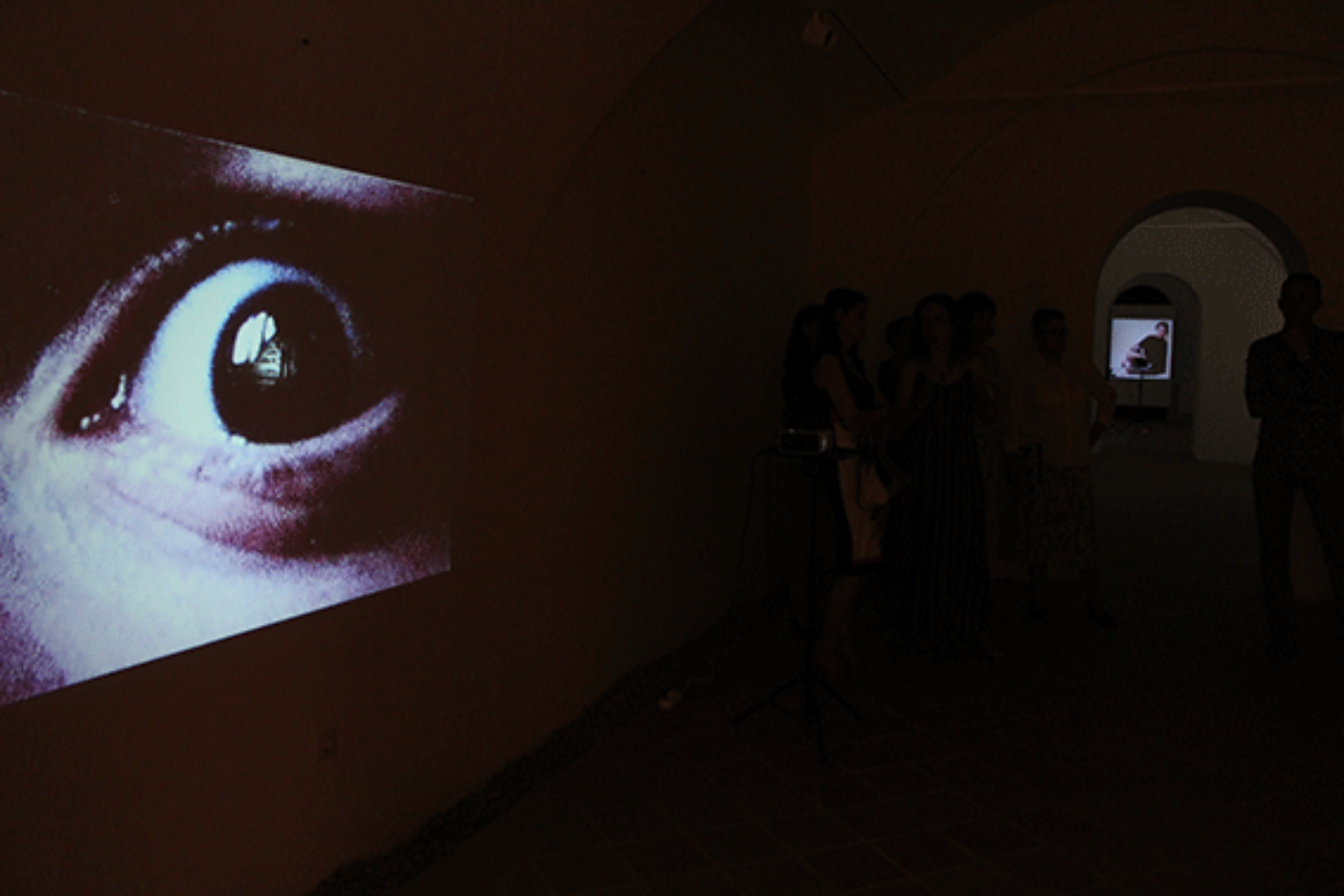
No Comment @ Oradea
Vă invităm cu drag, sâmbătă 27 iulie 2019 orele 18, la deschiderea Expoziției de artă video ,,No Comment’’. Despre agresiunile asupra artistelor din Orientul Mijlociu. Vernisează Teodora Talhoș (Viena) curator și critic de artă. Expoziția va deschisă între 27.07- 16.08.2019. în Galerii de Artă-Reperaj. Cetate.Expun: Halida Boughriet – Franta, Fatoș Irwen – Turcia, Simin, Keramati – Iran, locuiește momentan in Canada, Tahmineh Monzavi – Iran.
he exhibition will be open between 27.07 – 16.08 and can be visited from Tuesday to Friday, from 10am -18pm in Galeriile de Artă Reperaj – Romania
What does it mean being an artist in a conflict zone? Moreover, what kind of hardships are encountered by women who work as artists in a totalitarian system that doesn’t allow freedom of speech?
The exhibition titled “No comment” presents to the Romanian audience the video artworks of four female artists coming from – or with roots in – the Middle East. Their artworks express on the one hand a great sorrow, on the other hand a burning wish to carry on and to ignore the rules imposed on the artists by a restrictive, unpermissive system.
Artists: Halida Boughriet, Fatoș Irwen, Simin Keramati, Tahmineh Monzavi
Curator: Teodora Talhoş
Action /Acțiune (6’9, 2003)
Autoportrait / Autoportret (3’15, 2009)
Action /Acțiune (6’9, 2003)
https://uap.ro/en/no-comment-oradea/
Read On
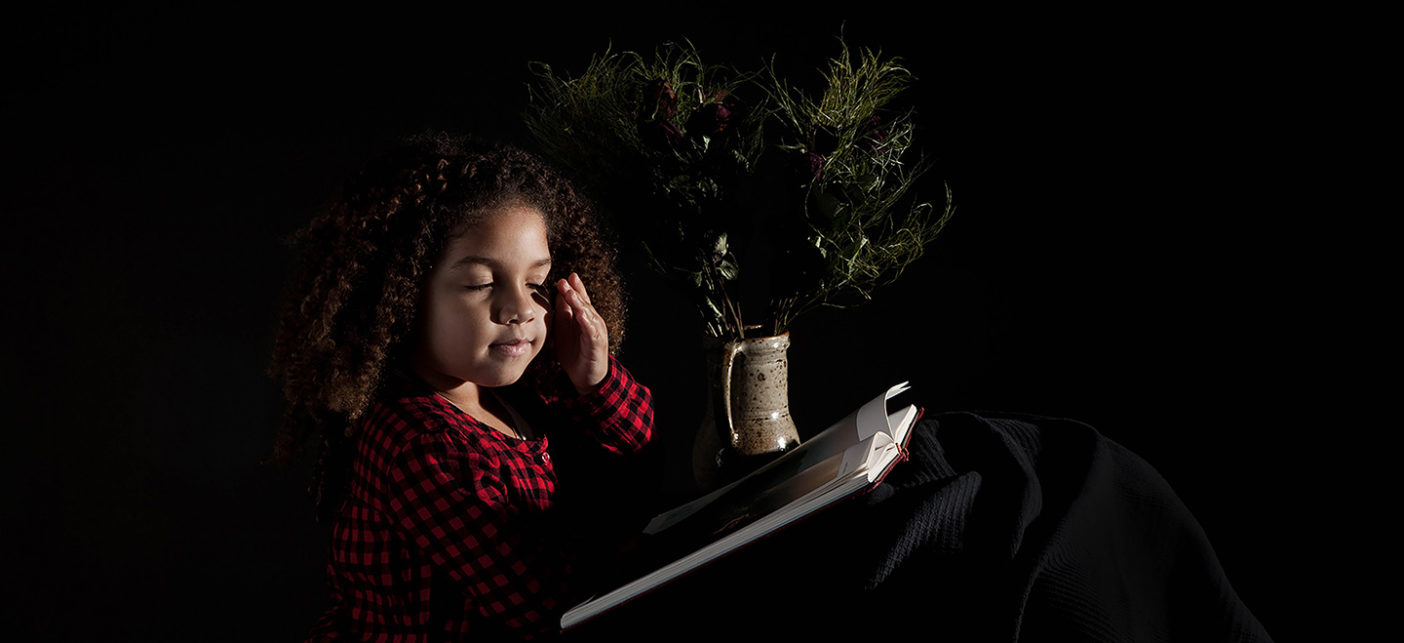
OFFICINE DELL’IMMAGINE
HALIDA BOUGHRIET « Out of Place »
May 16 – July 13, 2019
http://www.officinedellimmagine.com
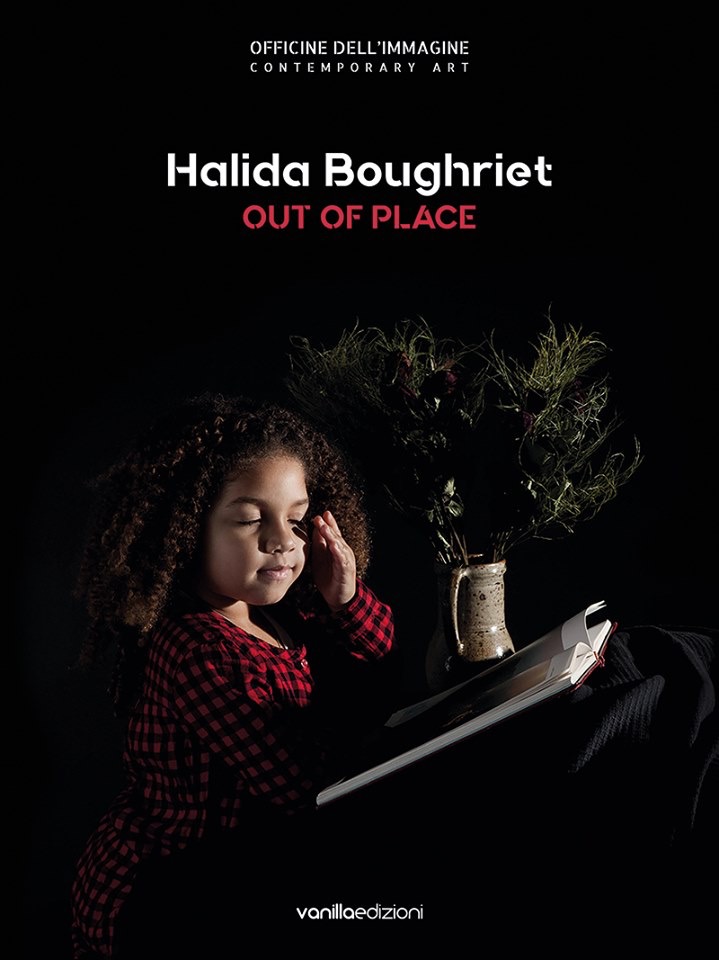
From 16th May to 13th July 2019, Officine dell’Immagine in Milan is pleased to present the second solo exhibition dedicated to Halida Boughriet, one of the most interesting artists of the emerging contemporary scene.
Curated by Silvia Cirelli, the exhibition Out of Place will present recent work by this talented artist in an Italian exclusive. Already recognised internationally for exhibitions at Centre Pompidou and Institut du Monde Arabe in Paris, the Rabat Biennale, the Los Angeles Depart Foundation, Documenta 14 and the 11th Dak’Art Biennial, Boughriet is surprising for her rare expressive eclecticism, ranging from photography to video and performance, in which she herself becomes the spokesperson for the artistic message.
Always attentive to the exploration of socio-cultural, behavioural and geopolitical themes concerning current cultural situation, Boughriet translates the precariousness of a historical moment marked by a sense of uprooting, an absence of communication between people and by the need for belonging.
Coming to authentic emotional essentiality and completely laying bare human vulnerabilities, this young artist’s narrative sees the body as the focal point of the entire creative journey. With the spasmodic urgency of filling the void created by a painful nomadic dynamism, the body’s symbolism is what drives the search and becomes, above all, an allegory of the return of identity.
The core of the exhibition is Boughriet’s Border series (2017) and Exile de Anges (2019), where the balance between light and shadow, clearly inspired by Caravaggio, synthesises an emotional landscape constructed upon the authenticity of people. The protagonists are in fact witnesses of wars, violence and abuse, to whom the artist returns their voices. Human fragility is also the subject of her photographic project Les absents du décor (2018), though this time emphasised by the reconstruction of fake man-sized universes created by the artist. Like true Western-style mise en scènes, these unlikely settings reveal the artist’s meticulous attention to detail in each individual project, choosing an aesthetic vocabulary that understands the importance of the archive and of re-appropriating cultural memory.
Her reinterpretation of sensitive themes, such as violence in the broadest sense – from individual to social or political – is condensed in Bullet AK-47 (2018) and in the video Lamma bada, for what appeared to be (2019). In the latter, the ferocity of a military item – the smoke bomb held by the artist – is distorted and « twisted » by the evocative, poetic dance that accompanies the romantic poetry famously sung by Fairouz in 1960.
The exhibition closes with the recent Ce qui Brûle series (2019), laser engravings on wood depicting scenes of war, rebellion or destruction taken from the internet or newspapers. The laser scores the wood in an indelible, permanent way, as if to resolutely and decisively shout out about the urgency the humanitarian crisis that we have watched unfold for far too long.
BIOGRAPHICAL NOTES
Halida Boughriet is a Franco-Algerian artist, born in Lens (France) in 1980. She currently lives and works in Choisy le Roi, France. She is a graduate of the Ecole Nationale Superieure des Beaux Arts in Paris and in 2005 she participated in an exchange programme with the New York SVA, in the Cinema section. She has numerous exhibitions in major international museums to her credit. This includes Centre Pompidou, the MAC/VAL Museum (Musée d’Art contemporain du Val de Marne) and the Institut du Monde Arabe in France; the Museum of Modern Art in Algiers; the Hood Museum in the USA and the Düsseldorf Kunst Museum and the Haus der Kulturen der Welt in Germany. She also participated in the recent Rabat Biennial, Documenta 14 and the 11th Dak’Art Biennial. In 2014, she was also included in Rencontres Internationales of Paris, Berlin and Madrid.
Free entrance
Hours: Tuesday – Saturday: 11 a.m. – 7 p.m.; Monday and holidays by appointment.
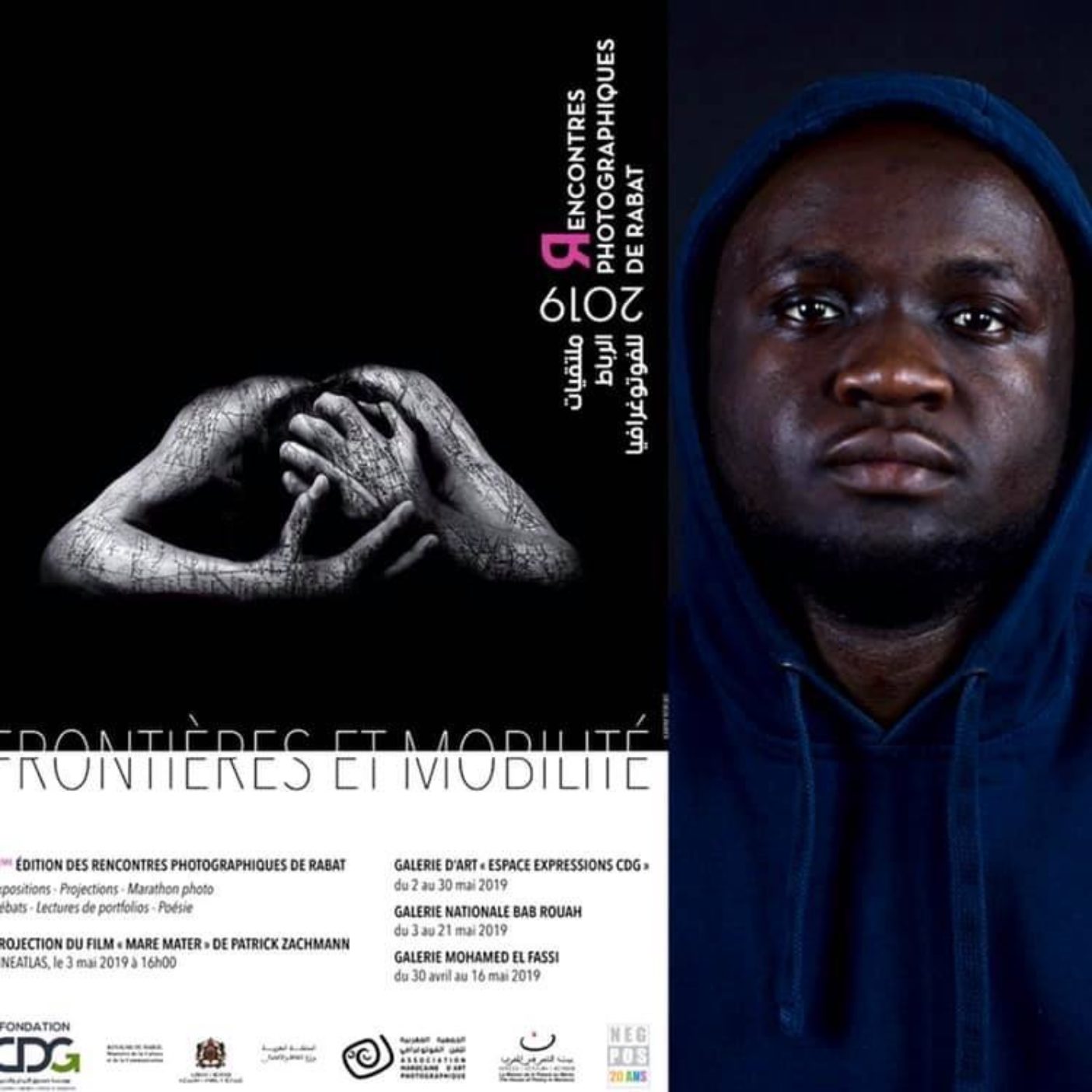
4ème édition des Rencontres Photographiques de Rabat 2019. Vernissage le 3 Mai 2019, galerie Bab Rouah de Rabat.
Border#, 2017 & Transit, 2011 ©halidaboughriet
Curated by Jaafar Akil.
Read On
